




















ChatGPT:
Smart Modular Architecture Trends for 2025
Why Modular Architecture Is Evolving
Faster and Smarter Construction
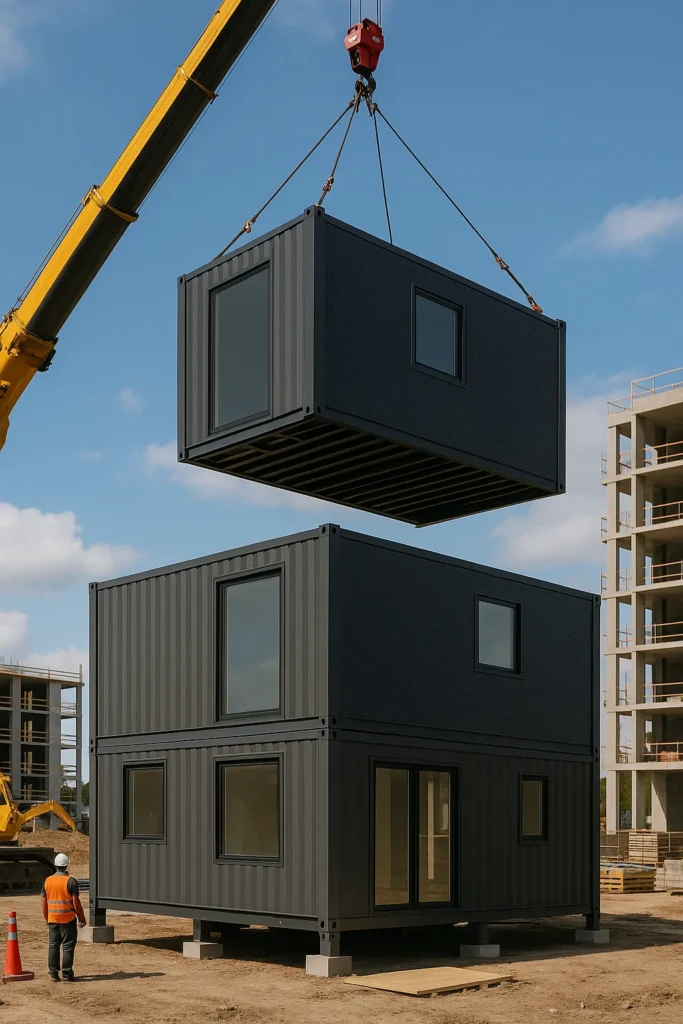
Traditional construction often faces delays due to weather, labor shortages, or material inefficiencies. Modular architecture eliminates these issues by producing building components in factories and assembling them on-site. With smart integration, the process becomes faster and more precise, cutting project timelines by up to 50%.
Sustainability as a Priority
The demand for eco-friendly solutions is rising globally. Modular architecture allows for reduced waste, energy efficiency, and easy incorporation of renewable technologies like solar energy. In 2025, sustainability will no longer be optional—it will be the standard.
Top Modular Architecture Trends in 2025
1. Smart Homes with IoT Integration
Smart modular homes will include IoT-enabled systems for lighting, security, climate control, and energy management. Residents will enjoy higher comfort while reducing energy costs.
2. Green Modular Buildings
Eco-friendly materials, green roofs, and renewable energy systems are becoming central features. These elements not only support sustainability goals but also increase property value.
3. Flexible and Multi-Purpose Spaces
In 2025, modular architecture will prioritize adaptable layouts. Homes and offices will be designed to change function easily—transforming a living space into a workspace or adding extra modules as families grow.
4. Prefabricated High-Rises
Modular construction is moving beyond small-scale housing. Cities are increasingly investing in modular high-rise apartments and office towers, reducing urban construction time while maintaining safety and design quality.
5. AI-Driven Design and Planning
Artificial intelligence will play a greater role in modular design by predicting material needs, optimizing layouts, and reducing waste. AI-driven planning ensures projects are not only faster but also more cost-efficient.
Economic and Social Impacts
Affordable Housing Solutions
Governments and developers are embracing modular architecture as a solution to housing shortages. The speed and cost efficiency of modular buildings make them ideal for affordable housing initiatives.
Boosting Investment Potential
As sustainability becomes a major selling point, smart modular buildings attract investors and buyers looking for long-term value. By combining innovation and affordability, modular projects deliver strong returns.
Conclusion: Shaping the Future of Construction
Smart modular architecture trends for 2025 reveal a construction industry that is smarter, greener, and more adaptable than ever. With innovations in technology, design, and sustainability, modular architecture is not just a method—it is the future of modern living. For homeowners, developers, and investors, adopting modular solutions now means being ahead of the curve tomorrow.


