




















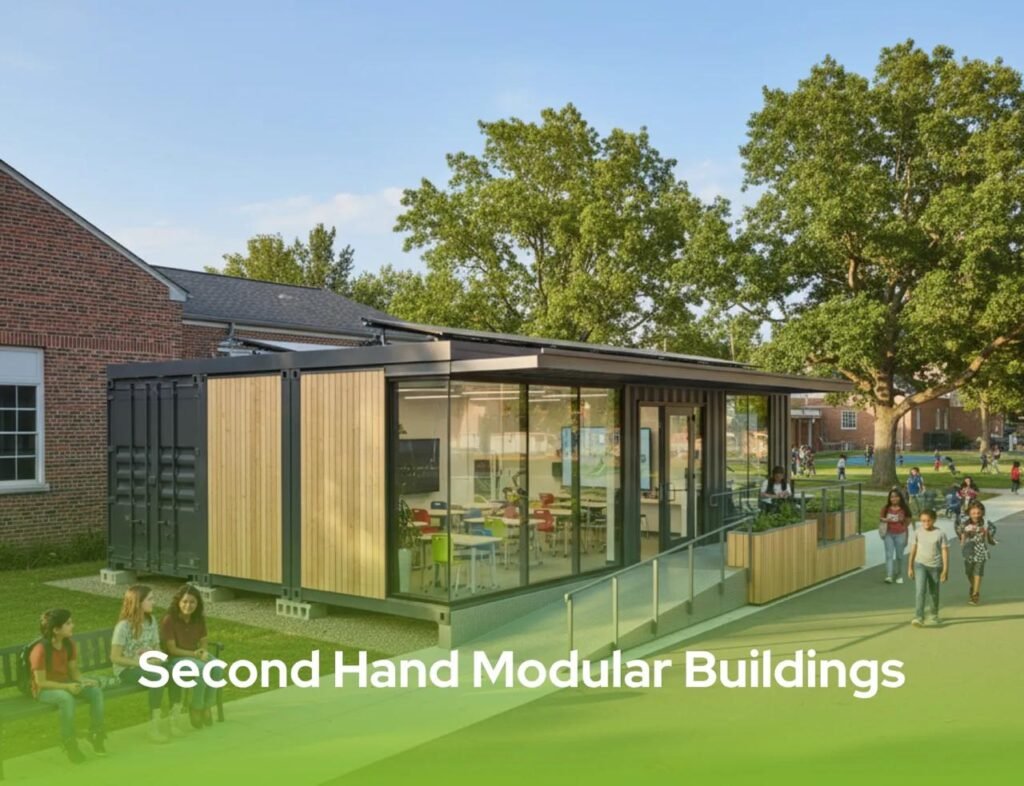
Second hand modular buildings have become one of the most preferred solutions for businesses seeking speed, flexibility and sustainability in their construction processes. As project requirements evolve and timelines become shorter, the advantages offered by modular systems make them an appealing alternative. Especially for companies looking for budget-friendly yet efficient space solutions, second hand modular buildings provide a strong balance of performance, durability, and economic value.
In today’s construction landscape, where rapid deployment and adaptable layouts are essential, these structures offer practical benefits without compromising on quality. This article explores what makes second hand modular buildings increasingly popular, how they perform in different environments, and what buyers should pay attention to when choosing one.
What Are Second Hand Modular Buildings?
Second hand modular buildings refer to pre-used modular structures that have been inspected, refurbished, and prepared for reinstallation in new locations. Since modular units are produced with detachable components, they can be dismantled, relocated, and reassembled multiple times.
These buildings are commonly used in:
-
Construction sites
-
Temporary office zones
-
Accommodation units
-
Training and education facilities
-
Storage and logistics areas
-
Healthcare or emergency response stations
The reusable nature of second hand modular buildings provides substantial advantages in terms of environmental sustainability, time savings, and operational efficiency.
Why Second Hand Modular Buildings Are Gaining Popularity
1. Faster Project Deployment
One of the biggest reasons behind the rising interest in second hand modular buildings is the short installation period. Businesses that need rapid mobilization can have functional spaces ready much quicker compared to classical construction methods. Since modules are already produced and used previously, only relocation and assembly stages remain.
2. Reduced Environmental Impact
The re-use of modular structures significantly decreases material waste and carbon emissions. This makes second hand modular buildings an eco-friendly choice for companies following sustainability policies or aiming to reduce their construction footprint. The concept aligns with global sustainability principles such as circular construction and resource efficiency.
3. Flexible Usage Areas
Another important advantage is adaptability. Second hand modular buildings can be easily expanded, reduced, modified or relocated based on changing needs. Their flexible configuration allows them to support different functions in various sectors, which increases their long-term usability.
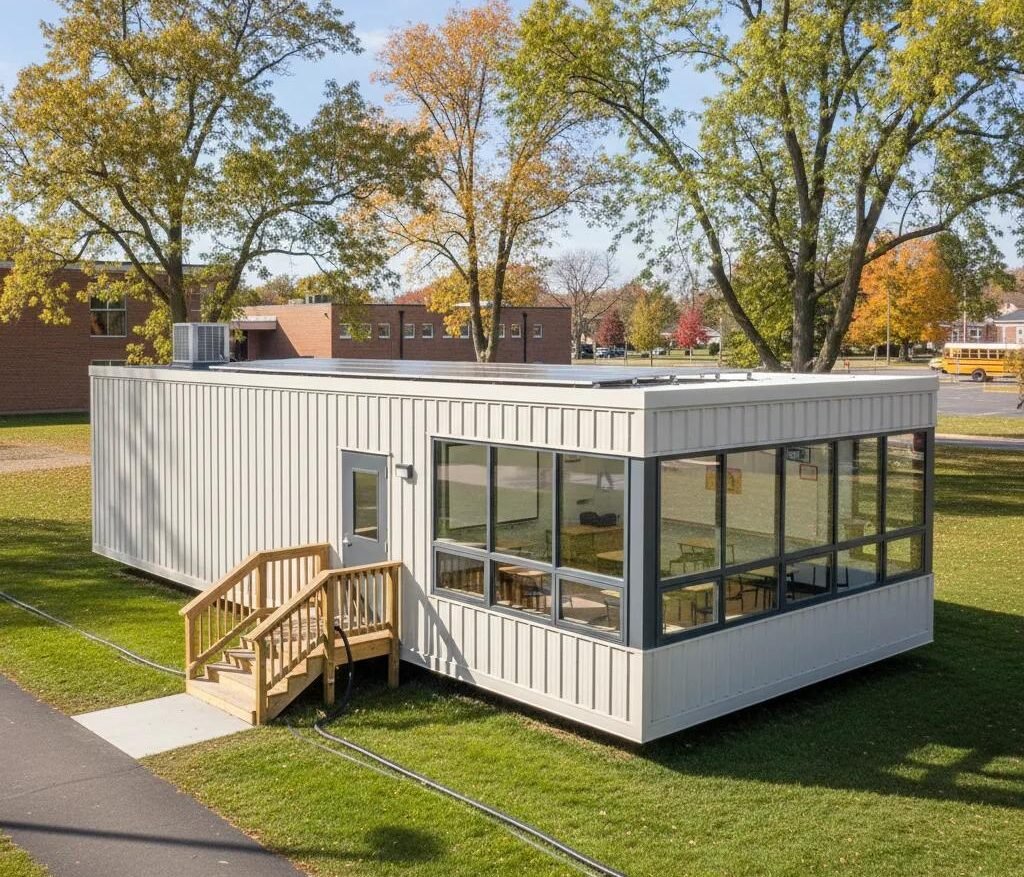
Key Advantages of Second Hand Modular Buildings
Cost Efficiency Without Sacrificing Functionality
While pricing details vary widely depending on configuration or project requirements, a general benefit is cost efficiency. Businesses can meet their space needs without allocating excessive budgets or long construction periods. Second hand modular buildings offer a high level of functionality and durability, making them an attractive option for temporary as well as long-term use.
Strong Structural Performance
Modern modular systems are built using durable materials selected for long service life. Even after their initial use, well-maintained second hand modular buildings preserve their integrity and performance. Regular inspections ensure that components such as steel frames, insulated panels, windows, and interior fittings remain in good condition.
Rapid Installation and Easy Relocation
Ease of assembly and disassembly makes these structures ideal for businesses with mobile operations. Construction sites that frequently relocate, organizations managing seasonal activities, or companies implementing short-term projects prefer second hand modular buildings due to their practicality.
How to Choose the Right Second Hand Modular Building
Choosing the ideal structure requires attention to several key points. Below are the most important considerations for buyers:
Evaluate Space Requirements
Before making a decision, businesses must analyze:
-
Required indoor area
-
The number of personnel
-
Whether future expansion might be necessary
Knowing your needs helps determine the ideal size, panel thickness, layout and additional features.
Review the Physical Condition of Components
Even though modular buildings are designed for multiple reuses, the condition of previously used units can differ. Important components to evaluate include:
-
Panels
-
Insulation quality
-
Doors and windows
-
Electrical installations
-
Flooring and interior surfaces
-
Roof and structural connections
A properly refurbished second hand modular building provides safe and comfortable usage similar to newly manufactured structures.
Check Compliance With Local Regulations
Building codes may vary depending on location and purpose. Ensuring that the selected second hand modular buildings comply with local regulations is essential. Factors such as energy efficiency, fire safety, and structural stability should be taken into consideration.
Common Uses of Second Hand Modular Buildings
Construction Site Offices
Project managers, engineers and field teams often need functional office spaces that can be installed quickly. Second hand modular buildings serve as ideal administrative hubs, providing both comfort and efficiency.
Worker Accommodation Units
Accommodation buildings ensure personnel have proper resting areas during long-term project phases. Modular dormitory units can be scaled based on workforce size, offering practical solutions for remote locations.
Educational and Training Areas
Temporary schools, classrooms or training spaces can be rapidly established using second hand modular buildings. Their sound insulation and adjustable layouts help create productive learning environments.
Healthcare and Emergency Structures
Healthcare units, first aid centers and mobile clinics can operate inside modular systems, making them essential for emergency response or remote medical support operations.
Environmental and Operational Benefits
Second hand modular buildings support sustainability on multiple levels:
-
Reduced consumption of raw materials
-
Lower carbon footprint
-
Minimal on-site waste
-
Reusability across different project cycles
Additionally, operational efficiency improves due to reduced installation times and minimal site disruption. These advantages help companies strengthen both their environmental and logistical performance.
Are Second Hand Modular Buildings Suitable for Long-Term Use?
When properly inspected and refurbished, second hand modular buildings are suitable for both temporary and long-term applications. Their modular nature allows ongoing maintenance and component replacement throughout their service life. Many businesses benefit from these structures for multiple years without needing a full replacement.
The Future of Second Hand Modular Buildings
As industries adopt faster construction methods and environmentally responsible practices, second hand modular buildings will continue to gain traction. The increasing demand for flexible, relocatable and cost-effective structures positions modular technology as a major trend in global construction.
Businesses looking for adaptable solutions recognize that these buildings not only save time but also support corporate sustainability goals. With expanding usage areas and improving refurbishment practices, the future of second hand modular buildings appears promising.
Second hand modular buildings offer a powerful combination of speed, flexibility, and environmental responsibility. Their ability to be reused, modified, and relocated makes them ideal for businesses needing practical and scalable space solutions. As construction trends shift toward sustainable methods and efficient resource use, these modular structures will remain a valuable option across a wide variety of industries.


