
















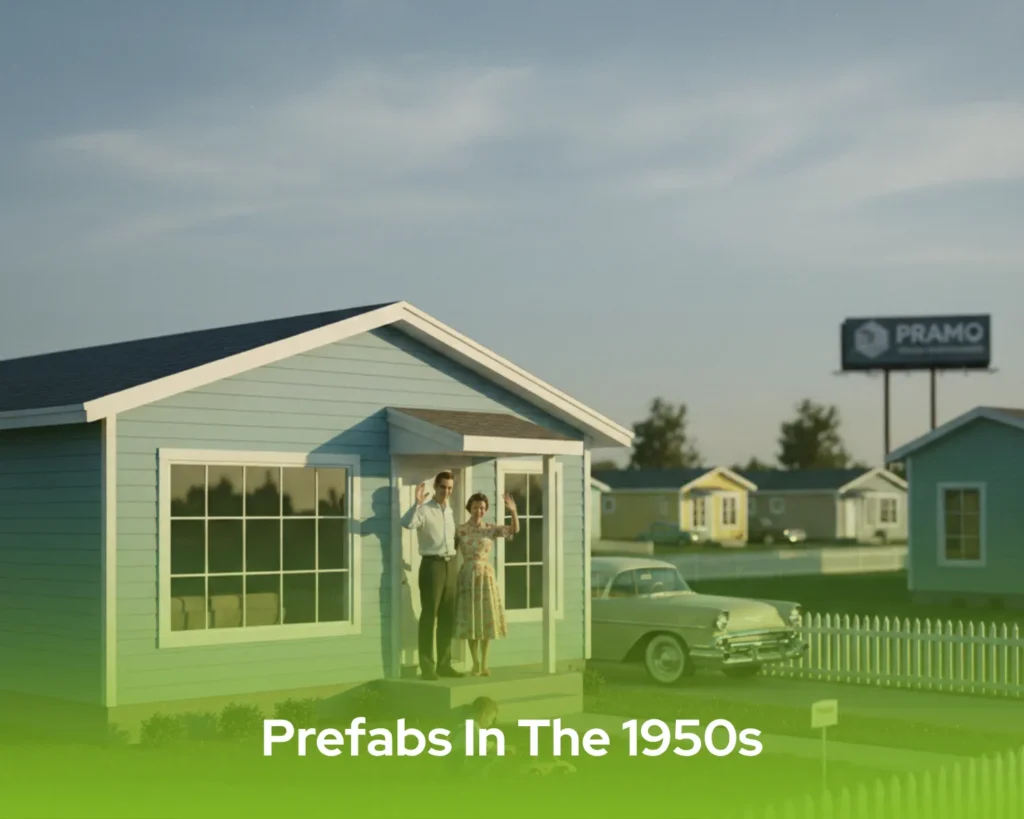
The 20th century witnessed remarkable advancements in construction, but few decades shine as brightly as the 1950s for the evolution of housing. Following the devastations of World War II, the world faced an unprecedented housing crisis. Millions returned home seeking stable lives, and traditional construction simply couldn’t keep up. This urgent demand paved the way for a revolutionary solution: prefabricated homes. The story of prefabs in the 1950s is not just about buildings; it’s about ingenuity, rapid reconstruction, and the dream of affordable homeownership for the masses. This era profoundly shaped how we perceive modular construction today, laying the groundwork for companies like Pramo to innovate further.
At Pramo, we build upon this historical legacy, combining it with modern technology to offer contemporary prefabricated solutions. Inspired by lessons from the past, we invite you to explore our fast and durable housing options. Visit our Light Steel Houses and Containers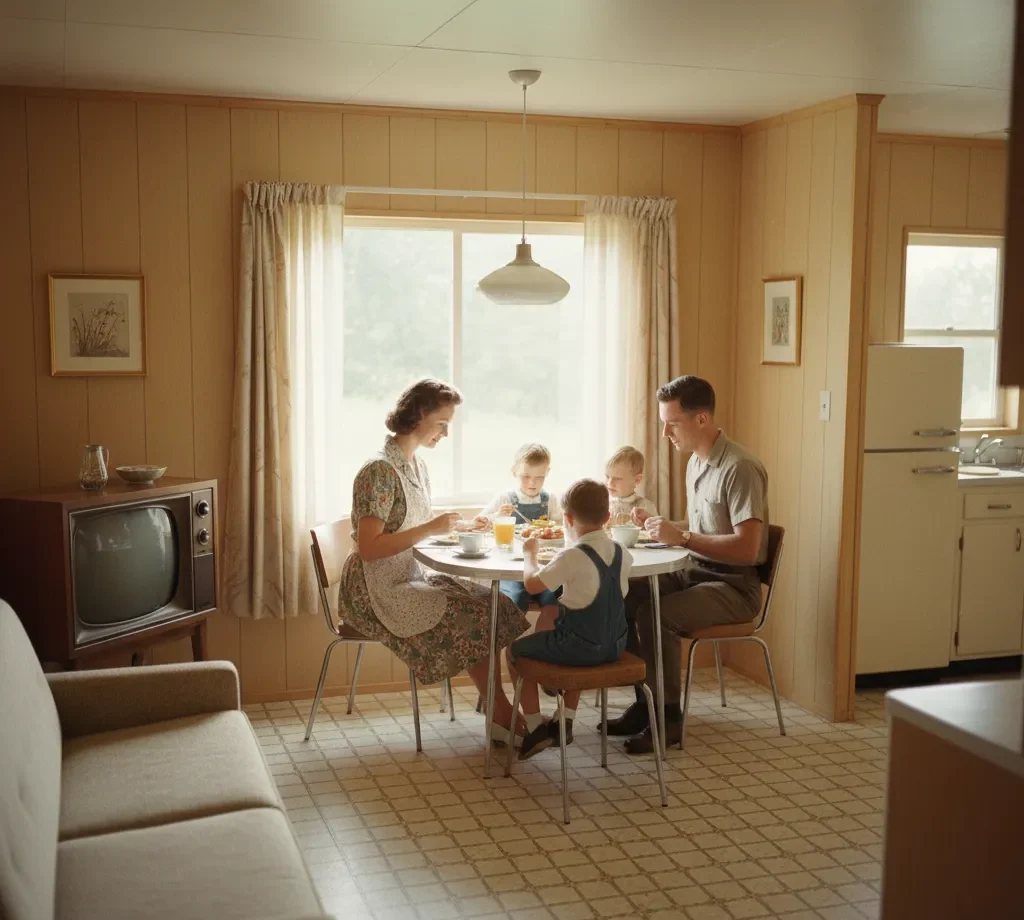
Houses pages to learn more about our innovative offerings.
The Post-War Landscape: Why Prefabs in the 1950s Became Essential
The end of World War II brought a sense of relief but also monumental challenges. Cities across Europe were in ruins, and in countries like the United States, returning soldiers (GIs) fueled a massive baby boom, leading to a desperate need for new homes. Traditional building methods were slow, labor-intensive, and expensive. The government and private sectors turned to industrial efficiency – the same principles that built tanks and planes – to mass-produce homes. This was the perfect storm for the rise of prefabs in the 1950s.
The GI Bill and the American Dream
In the U.S., the Servicemen’s Readjustment Act of 1944, famously known as the GI Bill, offered returning veterans unprecedented benefits, including guaranteed home loans. This ignited a surge in demand for affordable housing. Developers needed quick and economical ways to build entire communities, and prefabricated homes offered a compelling solution. The image of the single-family home with a white picket fence became the quintessential American Dream, and prefabs in the 1950s played a crucial role in making this dream a reality for millions.
European Reconstruction and Innovation
Across the Atlantic, the need was even more dire. Post-war Europe, particularly the UK and Germany, faced widespread destruction. Prefabrication was seen not just as a temporary fix but as a strategic approach to rebuilding cities and housing displaced populations. Prefabs in the 1950s in Europe often focused on functionality, durability, and cost-efficiency to quickly rehouse communities.
Design and Technology: What Defined Prefabs in the 1950s?
The technology behind prefabs in the 1950s was a fascinating blend of existing industrial techniques and nascent innovations. While today’s prefab homes boast advanced materials and smart home features, the focus then was on standardization, ease of assembly, and affordability.
Materials and Manufacturing
Early prefabs in the 1950s utilized a variety of materials. Wood panels were common, often pre-cut and sometimes pre-assembled with windows and doors. Steel frames were also used, particularly in some European models, offering structural strength. The key was factory production: walls, roofs, and floor sections were manufactured in controlled environments, ensuring consistent quality and speeding up on-site assembly. This approach minimized waste and maximized efficiency, a hallmark of modern modular construction.
Iconic Prefab Homes of the Era
One of the most famous examples of prefabs in the 1950s in the U.S. was the Lustron Home. Made almost entirely of steel and enamel, these homes were designed to be virtually maintenance-free. Though ultimately a commercial failure due to production challenges and high upfront costs, the Lustron showcased the ambitious vision of prefabricated housing.
In the UK, thousands of temporary post-war bungalows, many constructed from timber, aluminum, or steel, were rapidly erected. These homes, though intended as temporary, often served families for decades, demonstrating the surprising longevity of some prefabs in the 1950s.
The Impact and Legacy of Prefabs in the 1950s
The sheer volume of prefabricated homes built during this decade transformed landscapes and lives. They provided much-needed shelter, created new communities, and established a foundation for future modular construction.
Changing Perceptions of Housing
Initially, prefabs in the 1950s were often viewed with skepticism, sometimes seen as “temporary” or “cheap” housing. However, as families moved in and experienced the benefits – quick occupancy, modern amenities (for the time), and often a lower price point – perceptions began to shift. They became symbols of resilience and progress. This era helped normalize the idea that a high-quality home didn’t necessarily require traditional, on-site construction from the ground up.
Laying the Groundwork for Modern Prefabrication
The lessons learned from prefabs in the 1950s were invaluable. Architects, engineers, and manufacturers gained critical insights into modular design, logistics, and mass production. Challenges related to aesthetics, customization, and public acceptance became key areas for future innovation. Without the extensive experimentation and widespread adoption of prefabs in the 1950s, the sophisticated modular buildings we see today, including Pramo’s advanced prefab and container solutions, might not exist. The very concept of constructing homes and industrial buildings off-site owes a significant debt to this pioneering decade.
From the 1950s to Today: Pramo’s Evolution in Prefabrication
While the prefabs in the 1950s primarily focused on basic housing needs, today’s prefab and modular construction offers unparalleled versatility, durability, and design freedom. Companies like Pramo have taken the core principles of efficiency and speed from that era and combined them with cutting-edge technology, sustainable materials, and advanced architectural design.
From robust Container Houses for adaptable living to elegant Light Steel Houses for permanent residences, modern prefab solutions far exceed the capabilities of their 1950s predecessors. We continue to innovate, building on a legacy that began with the pressing needs of the post-war era.
The Enduring Influence of Prefabs in the 1950s
The story of prefabs in the 1950s is a testament to human ingenuity in the face of adversity. It’s a reminder that necessity is truly the mother of invention, transforming the housing landscape and setting a precedent for efficient, factory-built construction. The homes built during this transformative decade provided shelter, hope, and a foundation for the thriving prefab industry we know today. As we look to the future of sustainable and rapid construction, the lessons and spirit of innovation from prefabs in the 1950s continue to guide us.
Interested in how modern prefab solutions are continuing this legacy? Explore Pramo’s innovative range of Light Steel Houses and Container Houses designed for today’s dynamic needs. Contact us to learn more!


