




















ChatGPT:
What Are Prefabricated Schools
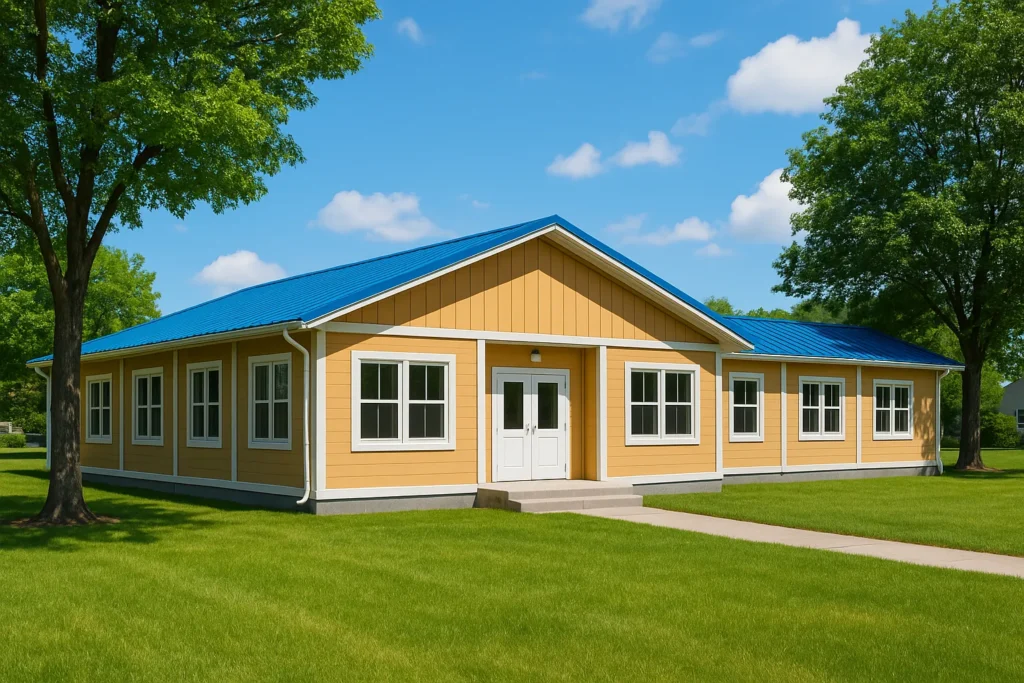
Prefabricated schools are modular educational buildings manufactured in controlled environments. Modules or panels arrive pre engineered for rapid assembly, forming classrooms, labs, administration and shared spaces.
- Modules: volumetric units or panelised walls and floors with openings, services routes and sheathing ready for installation.
- Frames: light steel or hybrid systems providing strength with efficient weight.
- Envelopes: insulated build ups tailored to climate, acoustic and fire performance.
- Interiors: durable finishes, acoustic ceilings and low maintenance flooring suited to daily school use.
Why They Matter in 2025
Rising enrolment and capacity gaps
Population shifts and catchment changes create urgent demand. Prefabrication compresses delivery schedules so schools can open sooner.
Continuity after disruption
Following natural events or campus works, modular classrooms restore learning with minimal downtime.
Budget predictability
Factory workflows reduce waste and variability. Clear scopes support transparent, comparable quotations.
Scalable campuses
New classrooms, labs or sanitary cores can be added as cohorts grow, avoiding overbuilding.
Community integration
Multipurpose halls serve after school programmes, exams and local events, maximising value.
Core Benefits
- Speed: compressed programmes and shorter on site phases.
- Quality control: factory conditions deliver consistent outcomes and clean fit ups.
- Comfort and safety: thermal, acoustic and daylight targets planned from the start.
- Adaptability: layouts reconfigured as curricula and class sizes evolve.
- Relocatability: some units can move between sites to match demand.
Design Features
- Daylight first: large windows with glare control to support focus and reduce energy use.
- Acoustic privacy: partitions and ceilings designed to classroom speech criteria.
- Indoor air quality: efficient ventilation with filtration and demand control.
- Accessibility: level entries, inclusive WCs and safe circulation for all ages.
- Resilient materials: impact resistant wall linings and easy clean surfaces.
- Safety and security: clear sightlines, controlled access and compliant fire strategy.
Where They Are Used
- Urban expansions: reduce overcrowding with new classroom clusters.
- Rural access: bring modern facilities to remote communities.
- Campus upgrades: provide decant space while refurbishment proceeds.
- Emergency response: restore education quickly after disruptive events.
- Community learning: adult education and evening programmes in multipurpose rooms.
Cost Factors
Total cost varies with scope and location. Main drivers include:
- Capacity and spans: larger classes and halls require more structure and services.
- Specialist spaces: science labs, ICT rooms and libraries increase specification.
- Envelope performance: higher thermal or acoustic targets affect build ups.
- Compliance and documentation: fire safety, accessibility and educational standards.
- Logistics: factory distance, crane access and delivery sequencing.
- Groundworks and utilities: foundations, drainage and power/data connections.
Sustainability and Impact
- Material efficiency: factory precision limits waste.
- Energy performance: fabric first envelopes and airtightness reduce running costs.
- Renewables ready: roofs suitable for solar PV; efficient heat pumps and controls.
- Healthy materials: low VOC finishes and good ventilation support wellbeing.
FAQ
Are prefabricated schools suitable for long term use
Yes. Many are designed for decades with appropriate maintenance and compliance checks.
How quickly can a prefab school open
Small clusters may be ready in weeks; larger campuses require more time for utilities and commissioning.
Do they meet education and safety standards
Reputable suppliers design for fire safety, accessibility and classroom acoustic targets. Local approvals are required.
Can we expand later
Modular layouts allow phased additions of classrooms, labs and sanitary cores.
Are prefab schools more affordable
They can be, especially when schedule and reduced site disruption are considered. Specification and logistics still shape totals.
Conclusion
Prefabricated schools combine factory quality with rapid on site assembly to deliver comfortable, safe and scalable learning spaces. With clear briefs, robust scopes and the right supplier, education providers can open classrooms sooner, adapt as needs change and support students in healthy, future ready environments.


