















Europe’s Growing Housing Needs
Population shifts, urbanization, and rising material costs are placing pressure on traditional construction methods. Delivering affordable housing has become one of the most urgent issues of the decade. Prefabricated houses provide an effective response by offering rapid construction timelines, scalable designs, and cost-efficient models that meet diverse community needs.
The Strategic Value of Prefabricated Construction
Prefabricated construction relies on the manufacturing of building components in controlled environments before they are assembled on-site. This process reduces delays caused by weather, minimizes labor shortages, and ensures consistent quality. For developers, municipalities, and investors, this approach represents a reliable method to meet Europe’s housing demand strategically and sustainably.
Speed and Cost Efficiency
Compared to conventional methods, prefabricated houses can be completed in a fraction of the time. Components are mass-produced with precision, reducing both waste and material costs. As a result, housing units can be delivered quickly and at lower prices, providing practical solutions for growing populations and communities facing urgent housing shortages.
Sustainability as a Driving Force
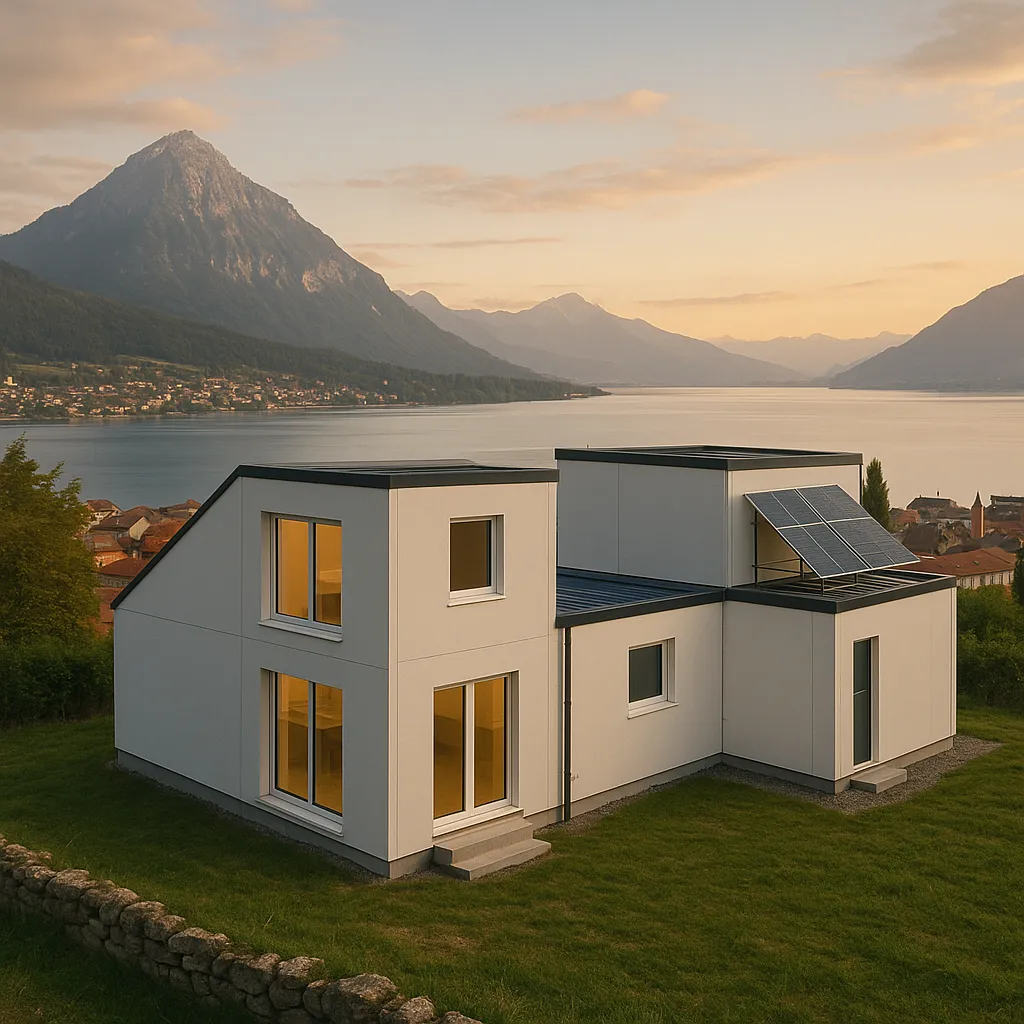
Sustainability is no longer an option—it is a necessity. Prefabricated houses support Europe’s environmental goals by reducing carbon emissions, limiting construction waste, and incorporating renewable resources. Many projects integrate energy-efficient insulation, solar compatibility, and eco-friendly materials, aligning with broader climate commitments and creating long-term value for communities.
Flexibility for Multiple Purposes
The adaptability of prefabricated houses is one of their strongest advantages. They can serve as permanent residences, student accommodations, healthcare facilities, or emergency housing during crises. This flexibility allows prefabricated construction to meet the varying demands of modern European societies, offering both temporary and long-term solutions.
Innovation in Design and Technology
Advances in construction technology—such as Building Information Modeling (BIM), automated production lines, and digital customization—are making prefabricated houses more sophisticated. Modern designs combine functionality with aesthetics, proving that prefabricated homes are not only practical but also visually appealing. This innovation-driven approach is central to the growing popularity of prefabricated housing across the continent.
Overcoming Traditional Barriers
Despite their benefits, prefabricated houses have faced misconceptions about quality and durability. However, continuous innovation and proven performance are changing perceptions. Regulatory frameworks are also evolving, making it easier for prefabricated construction to expand. These changes are helping to remove barriers and strengthen trust in modular housing solutions.
Social and Economic Impact
Prefabricated houses contribute to more than just construction efficiency—they support social and economic development. By providing affordable housing, they enhance quality of life, reduce inequality, and foster stronger communities. Additionally, the prefabricated housing sector creates employment opportunities within manufacturing, logistics, and digital construction industries, boosting local economies.
The Future of European Housing
As Europe continues to face growing housing challenges, prefabricated houses offer a sustainable path forward. They combine speed, efficiency, and environmental responsibility, aligning with the expectations of both governments and citizens. By prioritizing innovation and scalability, prefabricated construction will remain central to meeting housing demand in the years ahead.
Conclusion
The rise of prefabricated houses in Europe signals a fundamental shift in the construction industry. As urban areas expand and sustainability becomes a top priority, prefabricated solutions provide the flexibility, cost-efficiency, and speed required to meet modern housing needs. More than a trend, they represent a long-term strategy that is redefining the future of European housing.


