



















The Hub of Speed and Efficiency: A Market Analysis of Prefabricated Factories Europe
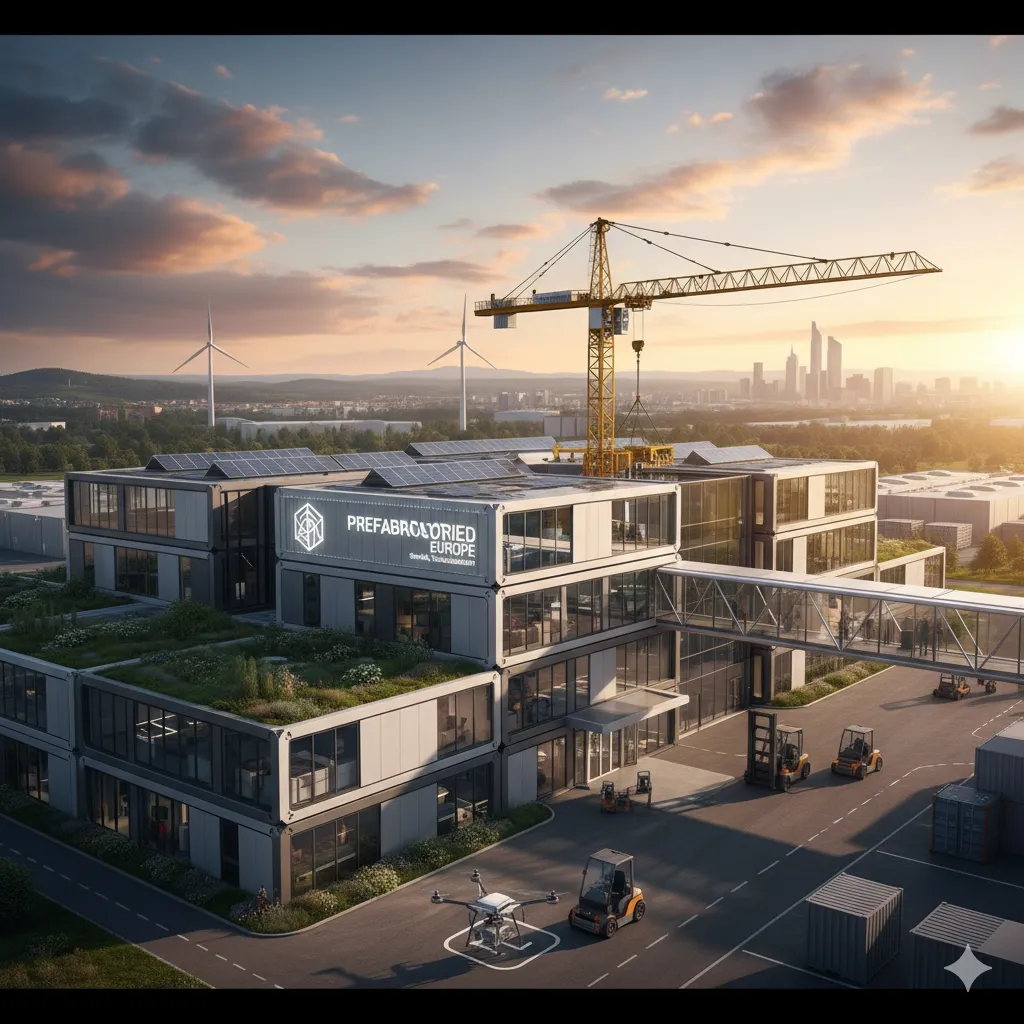
In today’s fiercely competitive industrial landscape, the demand for fast, flexible, and sustainable production facilities is continually rising. This is where the concept of prefabricated factories Europe emerges as an innovative solution, challenging traditional construction methods. In this comprehensive analysis, we’ll delve into the dynamics of the European prefabricated building market, the advantages it offers, and the key trends defining the sector.
Why Choose Prefabricated Factories Europe?
Prefabrication involves manufacturing a building’s components off-site in a controlled factory environment, which are then transported to the final site for assembly. For prefabricated factories Europe, this approach brings numerous critical benefits:
- Speed and Time Savings: Prefabricated factories (or modular buildings) can be completed up to 30% to 50% faster than conventional construction. This efficiency stems from the simultaneous production of components and site preparation. For businesses operating in Europe, this significantly shortens the Time-to-Market.
- Cost Certainty and Optimization: Manufacturing in a controlled factory environment reduces material waste and minimizes the risk of unforeseen cost overruns. Prefabricated factories Europe projects typically offer clearer, more transparent pricing, presenting a significant financial advantage for investors.
- High Quality and Precision: One of the most critical aspects of prefabricated factories Europe is the stringent quality control standards applied during the manufacturing phase. Factory conditions ensure greater structural accuracy and consistency, enhancing the durability and performance of the final building.
- Sustainability and Eco-Friendly Approach: Under the pressure of the European Green Deal, sustainability is now a mandate. Prefabrication substantially cuts down on site waste. Furthermore, optimized material use and high energy efficiency offered by prefabricated factories Europe solutions play a key role in reducing a building’s carbon footprint.
Current Trends in the European Prefabricated Construction Market
The prefabricated factories Europe market has gained significant momentum, particularly in regions like Germany, the UK, the Nordic countries, and the Netherlands. This momentum is supported by several major trends:
The Rise of Modular Construction
Modular buildings go a step beyond panelized systems, involving the off-site production of fully equipped “volumetric modules” that often include installations and interior finishes. These factories, designed for logistics and industrial facilities, can be quickly assembled on-site with minimal labor, becoming operational in a fraction of the time. Countries like Germany, the Netherlands, and Sweden are leading the way in these advanced prefabricated factories Europe solutions.
Smart and Digital Factories
Manufacturers of prefabricated factories Europe are heavily investing in digitalization to boost efficiency. BIM (Building Information Modeling) and digital twin technologies link design and production processes, minimizing errors and simplifying the customization of factories. These factories are also better suited for the integration of smart energy management and automation systems, not just during construction but throughout their operational lifespan.
Industry Versatility and Applications
Prefabricated factories Europe are no longer confined to simple warehouses or basic production sheds. The market encompasses a vast array of industrial and commercial applications, from high-tech manufacturing plants to data centers, cold storage facilities, and complex logistics hubs. This flexibility is a testament to the fact that prefabrication can meet demanding technical specifications.
A Roadmap for a Successful Prefabricated Factory Project
For investors considering building a prefabricated factory in Europe, the following steps are essential:
- Needs Analysis and Design: It is crucial to determine the project’s purpose, production processes, and potential for future expansion. Modular design offers unique flexibility for future factory enlargements or relocations.
- Selecting the Right Manufacturer: Choosing a specialized prefabricated factories Europe supplier that is experienced and well-versed in the legal regulations of the geographical region (e.g., fire, seismic, and energy performance standards) directly impacts the project’s success.
- Logistics and Assembly Planning: The transport and on-site assembly of prefabricated modules require meticulous planning. Coordination between the factory and the construction site is vital for keeping the project on schedule.
- Certification and Regulatory Compliance: Structural standards in Europe can vary by country. Ensure that the chosen prefabricated factories Europe solution complies with all relevant CE markings and national building codes.
The Future Construction Model: Prefabricated Factories Europe
In conclusion, the prefabricated factories Europe trend is shaping the future of the construction industry. Amid labor shortages, sustainability goals, and the increasing need for speed, off-site construction has become an indispensable solution. These factories are not just buildings; they are making industrial infrastructure smarter, greener, and more efficient. For any business seeking a competitive edge in Europe, prefabricated solutions represent the most strategic and sensible investment option.


