


















Prefabricated Home Costs: Insights for 2025
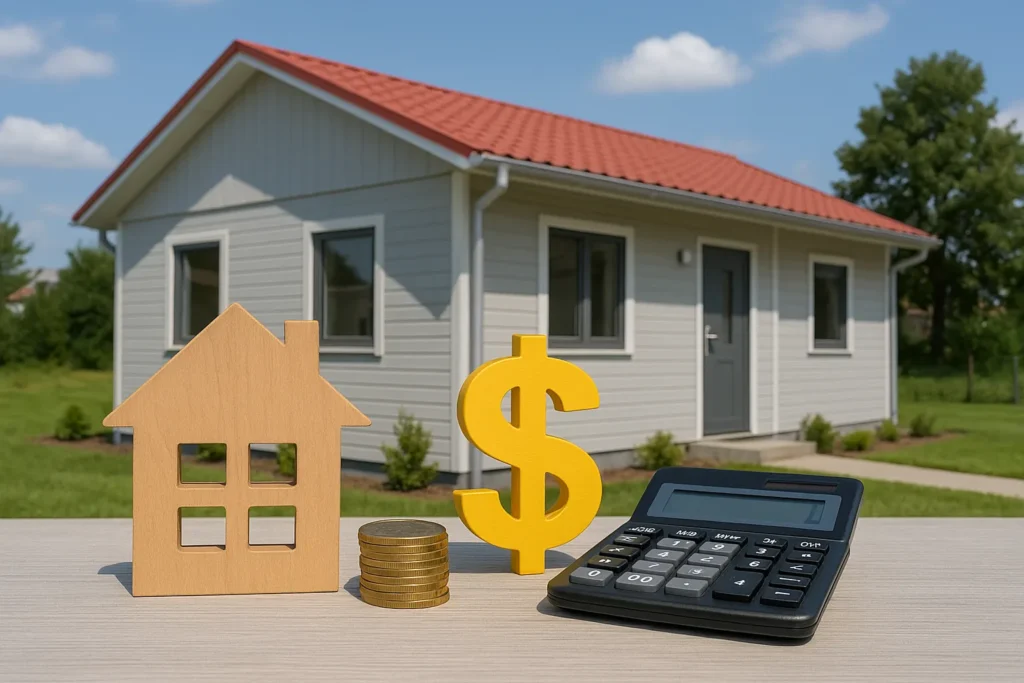
Prefab homes have grown from a niche option into a mainstream housing solution. They are fast to build, energy-efficient and increasingly stylish. But for families, investors and developers, one question matters most: what are prefab house prices in 2025? This article explores the key factors shaping cost, common price ranges, financing considerations, and what buyers should keep in mind before making a decision.
What Influences Prefab House Prices
Prefab homes are not priced in a vacuum. The cost is influenced by multiple variables that together create the final figure.
- Size and layout: Larger homes with multiple bedrooms naturally cost more.
- Design complexity: Unique façades, custom interiors or multi-storey builds increase prices.
- Materials and finishes: Premium flooring, windows and insulation raise costs significantly.
- Energy efficiency: Solar panels, smart systems and high-performance insulation require upfront investment.
- Location and logistics: Transport distance, crane access and site prep can influence budgets.
Buyers should evaluate how each of these factors aligns with lifestyle needs and budget realities.
Price Ranges in 2025
Although every project differs, general ranges provide useful benchmarks:
- Entry-level homes: Compact units or small single-storey houses remain the most affordable choice for first-time buyers.
- Family homes: Two to three-bedroom houses with standard finishes fall into the mid-range category.
- Premium models: Custom villas, eco-homes and luxury designs with smart technologies sit at the higher end of the spectrum.
These ranges highlight the flexibility of prefab solutions, allowing buyers to tailor homes to lifestyle and budget.
Trends Shaping Prices in 2025
Global housing shortages and rising material costs are influencing prefab house prices worldwide. At the same time, demand for quick, eco-friendly housing is pushing suppliers to innovate. Buyers in urban areas may pay more due to higher land values and logistics, while rural regions often benefit from lower delivery costs.
In Europe, prefab homes are increasingly seen as a long-term solution rather than temporary housing, leading to higher investments in design and technology. In North America, customization and smart home integration are driving demand, while in Asia prefab housing is gaining popularity for dense urban environments.
Prefab Prices vs Traditional Construction
When compared with conventional building, prefab homes often provide better value. A traditional house may take a year or more to complete, while prefab homes are ready in weeks or months. This reduction in labour and financing time translates into cost savings. Moreover, controlled factory production ensures fewer delays and material wastage.
Traditional houses may allow extreme customization, but prefab homes are catching up with flexible designs and finish options. For buyers, this means achieving modern aesthetics at a fraction of the time and often at a more competitive price.
Financing and Long-Term Value
One of the most important questions buyers ask is whether prefab homes can be financed like traditional houses. Today, many banks and mortgage providers recognize prefab housing as a stable investment and offer loans accordingly. Buyers should check whether pricing includes only the structure or also land, utilities, and permits.
Beyond financing, prefab homes also deliver value through lower operating costs. High insulation levels, reduced maintenance, and potential energy savings make prefab homes cost-effective over decades, not just at the time of purchase.
Why Prefab Homes Remain Cost-Effective
Even as demand rises, prefab homes retain a strong value proposition. Lower maintenance needs, energy-efficient designs and recyclable materials all contribute to long-term savings. For buyers focused on lifetime value rather than just upfront cost, prefab housing remains one of the smartest investments.
Tips for Buyers
- Request detailed quotations with clear scope—frame only, or turnkey delivery?
- Consider long-term energy savings when evaluating upfront cost.
- Check local compliance and permits to avoid hidden expenses.
- Explore financing options early to plan a realistic budget.
- Work with experienced suppliers who can ensure predictable delivery and after-sales support.
Conclusion
Prefab house prices in 2025 reflect a balance between affordability and innovation. Whether a buyer is seeking a compact starter home or a fully customized villa, prefab options provide competitive value compared to traditional housing. With sustainable features, scalable design and growing global demand, prefab homes are positioned as a lasting solution for modern living.


