




















ChatGPT
Army Container Solutions for Defense and On-Site Operations
Introduction
Defense organizations and humanitarian missions often operate in remote or high-risk environments where speed, mobility and durability are critical. In such settings, the military container has become one of the most reliable modular solutions. Built with reinforced materials and engineered for challenging conditions, these containers provide living quarters, command centers, storage units and medical facilities that can be deployed anywhere in the world.
What Is a Military Container?
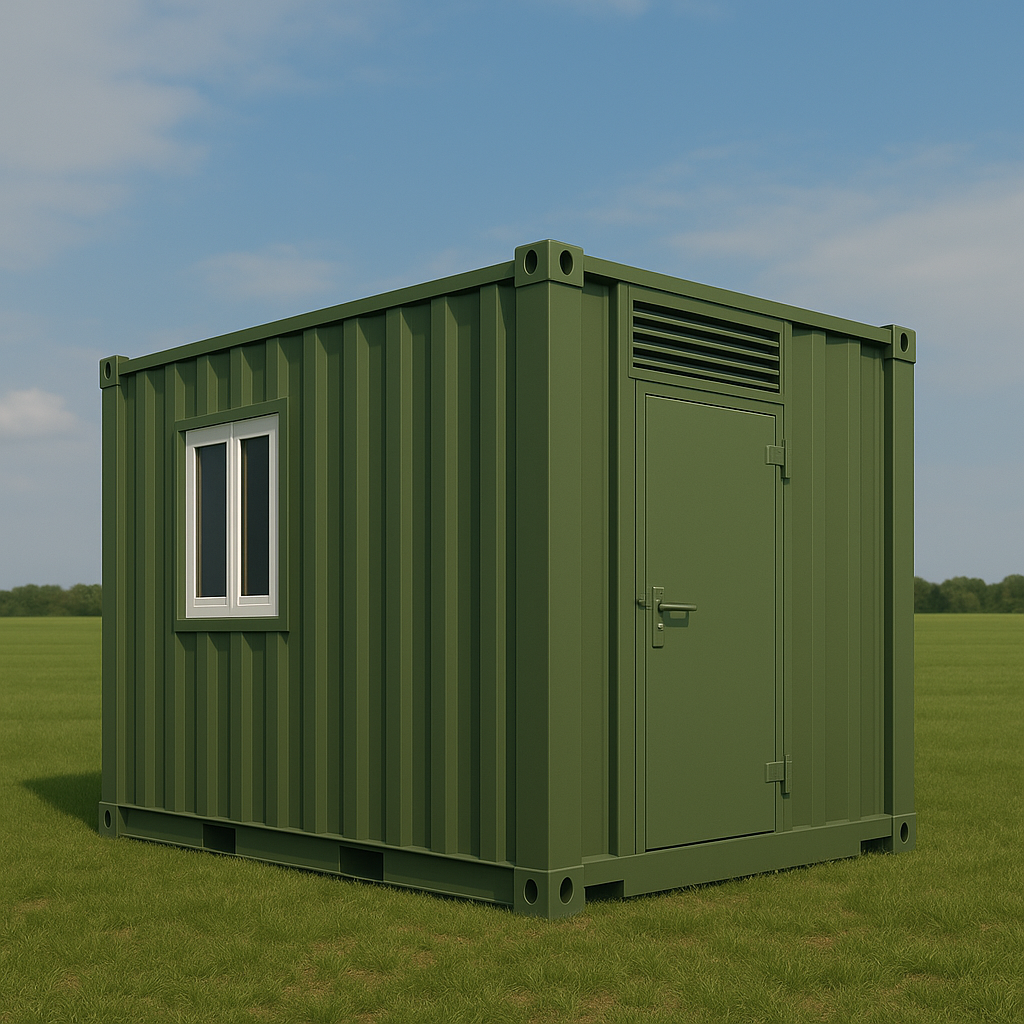
A military container is a prefabricated modular unit designed specifically for defense and field operations. Unlike standard shipping containers, military containers are insulated, reinforced, and equipped with specialized fittings for rapid deployment. They can serve as:
-
Barracks for soldiers
-
Mobile command posts
-
Ammunition and equipment storage
-
Field kitchens and dining halls
-
Medical stations and first-aid centers
The ability to adapt one structure to multiple functions makes them indispensable for armed forces and emergency responders.
Key Features of Military Containers
-
Reinforced Durability – Built with high-grade steel and corrosion-resistant coatings to withstand harsh climates.
-
Thermal and Acoustic Insulation – Ensures comfort in extreme heat or cold and reduces outside noise.
-
Mobility – Designed for easy transport by truck, ship or aircraft.
-
Security – Lockable, reinforced doors and windows protect personnel and equipment.
-
Customization – Units can be fitted with electrical, plumbing and HVAC systems as required.
Benefits for Defense and Emergency Use
-
Rapid Deployment: Containers can be operational within hours of arrival.
-
Cost-Effective: Prefabricated production reduces construction and maintenance costs.
-
Flexible Design: Configurable layouts adapt to missions ranging from peacekeeping to disaster relief.
-
Sustainability: Many modern military containers integrate renewable energy sources like solar panels.
Applications in Military and Humanitarian Contexts
-
Border Security: Guard posts and observation towers.
-
Field Hospitals: Equipped with medical equipment for emergency care.
-
Mobile Command: Secure communication hubs for planning and coordination.
-
Training Facilities: Modular classrooms and briefing rooms.
-
Storage Units: Safe housing for weapons, ammunition or sensitive technology.
Beyond defense, military containers are also used by NGOs and aid organizations in disaster zones, offering quick shelter and essential services.
Cost and Value Considerations
The price of a military container depends on:
-
Size and configuration
-
Level of reinforcement and insulation
-
Interior fit-out (bunks, offices, kitchens, medical units)
-
Transport and logistics needs
While costs are higher than standard prefab units, the durability and multi-functionality of military containers make them a long-term investment in operational readiness.
Long-Term Reliability
Military missions often require infrastructure that can last years in tough environments. Containers designed for defense include anti-corrosion systems, reinforced floors and weatherproof finishes. Regular maintenance such as repainting, filter replacement in HVAC systems and security checks ensures long service life, even under demanding conditions.
Practical Insights for Buyers
Are military containers only for defense forces?
No. They are also used by emergency services, NGOs and governments for disaster response.
How quickly can they be deployed?
Often within hours of delivery, as most systems are pre-installed.
Can military containers be combined?
Yes. Multiple units can form larger bases, including multi-room complexes or interconnected camps.
Are they safe in conflict zones?
Yes. With reinforced walls and lockable doors, they are designed for enhanced security.
Can they operate off-grid?
Yes. Many are equipped with solar panels, generators and water treatment systems for remote operations.
The military container is more than just a modular unit—it is a strategic asset. By combining strength, mobility and adaptability, these containers support missions in peacekeeping, defense and humanitarian aid. They reduce deployment times, provide secure shelter and enhance the efficiency of operations in challenging environments.
As global security challenges grow, military containers will remain an essential part of defense infrastructure, ensuring that personnel and equipment are protected and operational wherever they are needed. Get in touch with us today for more information.


