





Metropolitan Cabin: 10 Essential Advantages of Modern Modular Living
Introduction
As cities expand, populations rise, and housing demands shift, modern societies are looking for flexible and cost-effective alternatives to traditional construction. Urban land prices are increasing, project deadlines are tighter than ever, and sustainability concerns dominate the global conversation. These factors have pushed developers, governments, and private investors to search for innovative approaches to residential and commercial building projects.
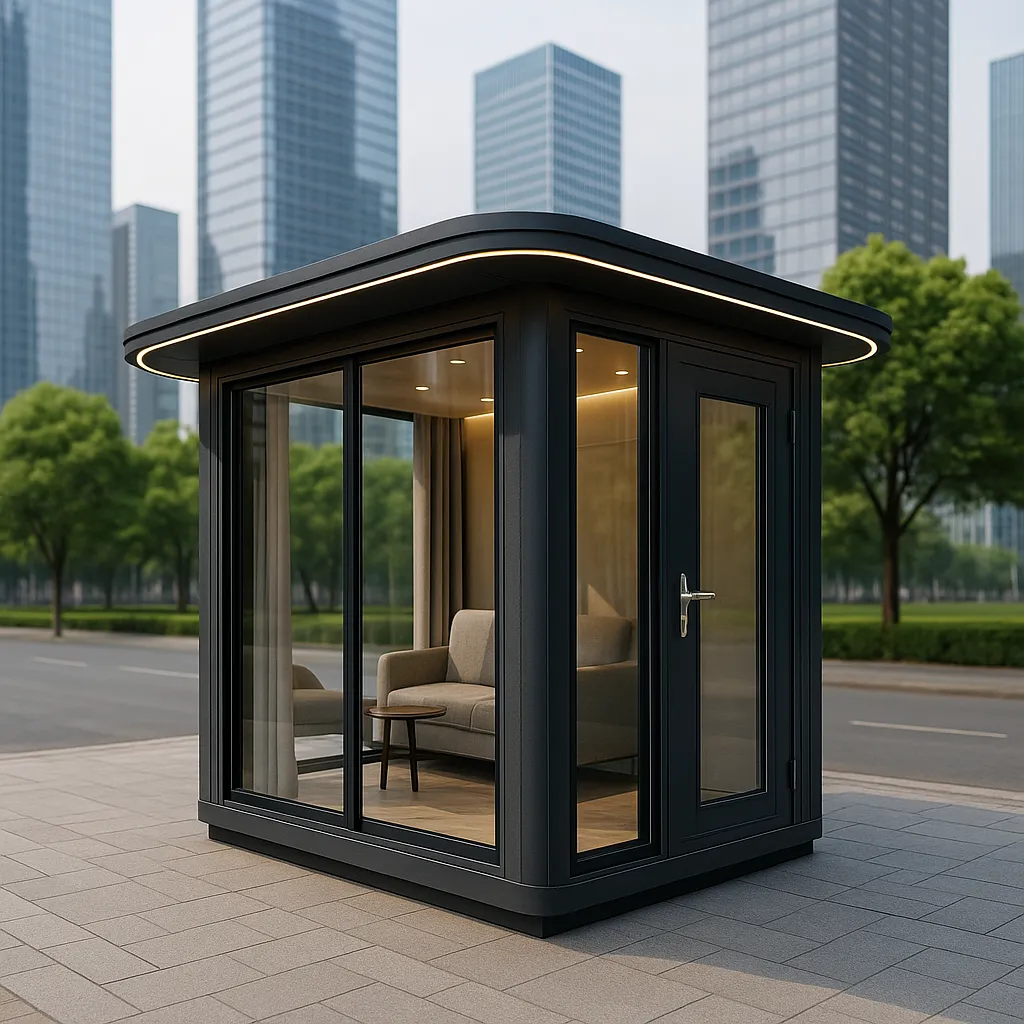
One of the strongest solutions to emerge from this demand is the modular housing system. Within this system, the Metropolitan Cabin has become a leading example of how design innovation, structural efficiency, and lifestyle adaptability can merge into a single architectural product. Unlike outdated prefabricated methods of the past, today’s modular living options combine aesthetics, durability, and smart technology in a way that fits seamlessly into contemporary life.
This article explores the 10 essential advantages of modern modular living, focusing on how the Metropolitan Cabin demonstrates each of these strengths.
1. Flexible Design and Personalization
Traditional buildings often force residents into rigid layouts, with limited possibilities for customization. Modular living units break away from this constraint. The Metropolitan Cabin offers customizable interiors, allowing homeowners and businesses to adapt layouts according to their unique needs.
Whether it’s creating an open-plan studio, a compact family home, or a modular office with multiple divisions, design flexibility remains one of the greatest strengths. Features such as adaptable partitions, modular furniture systems, and scalable extensions make these units suitable for both temporary and permanent installations.
2. Rapid Construction Timeline
The modern world values speed. Time is not only money but also opportunity. One of the most recognized benefits of modular housing is its rapid construction timeline. Prefabricated sections of the cabin are manufactured in controlled factory environments.
Once transported to the construction site, these sections can be assembled within weeks, dramatically faster than conventional brick-and-mortar projects that may take many months or even years. This efficiency allows governments to provide urgent housing after natural disasters, corporations to set up quick offices in expanding markets, and individuals to move into their dream homes with minimal waiting.
3. Cost Efficiency
Housing affordability is a major global challenge. The cost of materials, rising wages, and inflation make traditional housing less accessible for large populations. Modular living addresses these financial barriers.
The Metropolitan Cabin keeps costs low through industrialized production methods. Reduced labor requirements, bulk purchasing of raw materials, and minimized construction waste all contribute to significant savings. Over time, energy-efficient systems such as advanced insulation, double-glazed windows, and renewable energy integration ensure reduced utility bills for owners.
4. Eco-Friendly Building
Sustainability has become a requirement rather than a luxury. Governments are enforcing stricter environmental laws, and consumers are more conscious about their carbon footprints. The Metropolitan Cabin aligns perfectly with these values.
Each modular unit is designed with recyclable materials and optimized insulation systems. Factory production minimizes waste, and transportation logistics are simplified compared to moving endless trucks of raw material for traditional sites. Moreover, the cabins can be integrated with solar panels, rainwater collection systems, and energy-saving appliances.
(Alt text önerisi: “Metropolitan Cabin eco-friendly modular housing solution”)
5. Durability and Structural Strength
There is often a misconception that modular homes are temporary or fragile. Modern engineering proves otherwise. Metropolitan Cabin units are built using strong steel frames, weather-resistant cladding, and reinforced joints that allow them to withstand severe conditions.
From heavy rainfall to high winds and even seismic activity, the cabins are engineered to endure. This strength makes them suitable for diverse geographies: from coastal resorts to urban rooftops and from rural landscapes to industrial complexes.
6. Portability and Relocation
Unlike concrete buildings anchored permanently to one location, modular cabins are designed with relocation in mind. The Metropolitan Cabin can be dismantled, transported, and reassembled in a different location with relative ease.
This portability provides significant advantages for industries such as construction companies that require temporary housing for employees, or for seasonal resorts that expand and contract operations depending on tourism cycles.
7. Contemporary Aesthetic Appeal
Design matters as much as function in today’s world. Modern residents seek spaces that reflect their personalities, lifestyles, and aspirations. The Metropolitan Cabin embraces contemporary architectural aesthetics: minimalist lines, large windows for natural light, and versatile façades that can blend with either urban skylines or rural settings.
For businesses, a visually striking office or hospitality unit enhances brand image. For individuals, stylish designs create homes that feel inspiring rather than temporary.
8. Integration of Smart Technologies
The digital revolution has transformed expectations for residential and commercial spaces. The Metropolitan Cabin incorporates smart home technologies, ensuring it remains relevant for years to come.
Smart lighting, remote climate control, integrated security systems, and IoT-enabled appliances can all be embedded within modular designs. Additionally, renewable technologies such as solar panels or geothermal heating systems can be connected seamlessly, making these cabins part of the “smart city” vision promoted worldwide.
9. Multi-Purpose Applications
While many view modular cabins as residential units, their potential stretches much further. The Metropolitan Cabin can serve as:
-
Compact urban housing
-
Mobile offices for growing companies
-
Classrooms or training centers in underdeveloped regions
-
Clinics and healthcare units in remote areas
-
Hospitality spaces such as Airbnb rentals or resort villas
This multi-purpose adaptability demonstrates why modular housing is considered the future of construction.
10. Long-Term Value
Finally, an investment in modular housing should not be viewed as temporary. The Metropolitan Cabin represents long-term value for both homeowners and investors.
Durability ensures the structure remains functional for decades. Customization options mean it never becomes obsolete. Resale value remains high, and rental income opportunities are strong, particularly in urban or tourist markets. For developers, scalability enables entire modular communities to be created at lower costs and shorter timelines than traditional projects.
Conclusion
The Metropolitan Cabin is more than a modular home; it is a representation of how future societies will balance affordability, sustainability, and design. By combining flexibility, rapid construction, eco-friendliness, durability, portability, aesthetics, technology integration, and adaptability, it offers clear advantages for individuals, businesses, and governments alike.
As global housing challenges continue, these modular solutions will play an increasingly important role. Choosing such a structure is not only a smart investment but also a commitment to building a sustainable, efficient, and stylish future.


