




















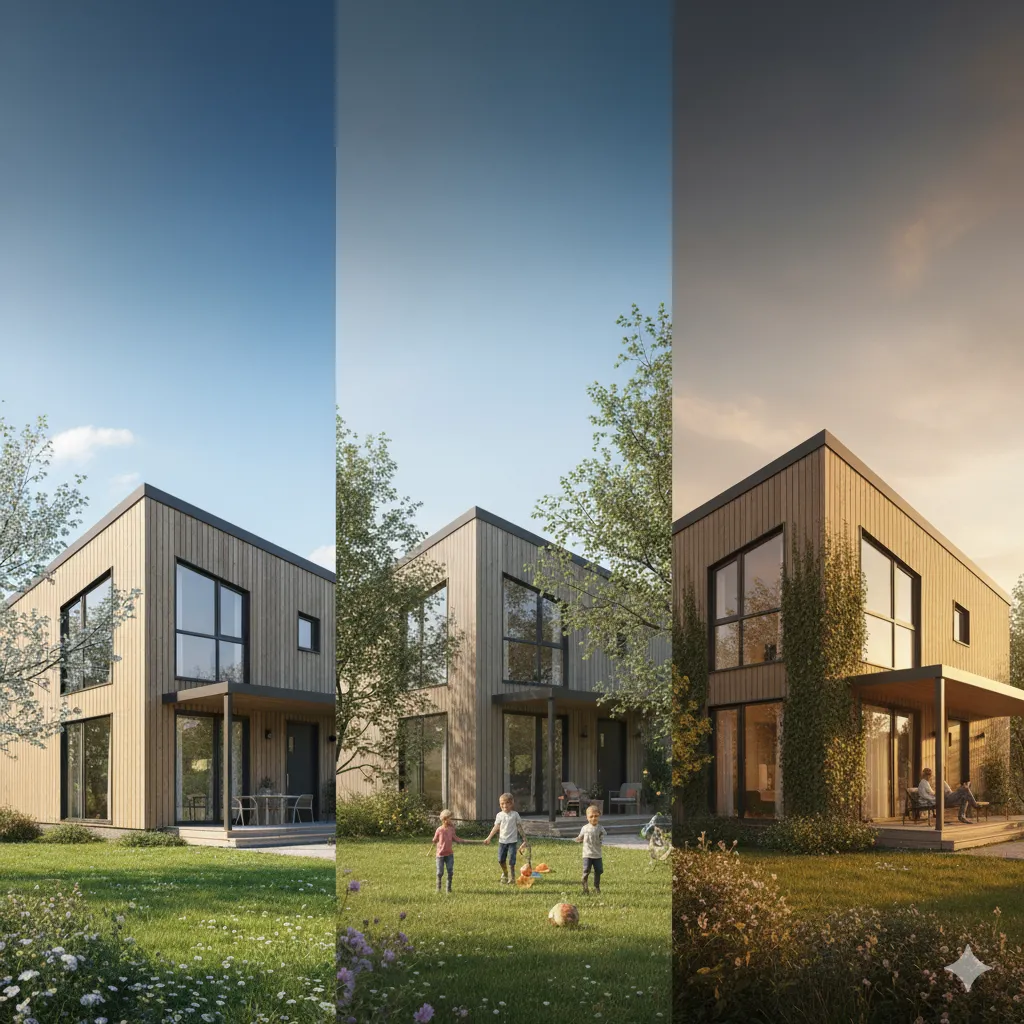
Built to Last: Understanding the True Lifespan of Prefabricated Buildings
Every significant investment in infrastructure, from a corporate office to a family home, is built on a fundamental question of trust: Will it last? As the world turns to more efficient construction methodologies, this question is increasingly directed at modern building systems. The true lifespan of prefabricated buildings is a subject grounded not in speculation, but in decades of engineering, material science, and proven performance.
This is a building philosophy centered on precision and quality control. It moves the most critical construction processes from the unpredictable environment of a building site into a controlled factory setting. The result is not a temporary solution, but a highly durable, resilient, and long-lasting asset. Understanding this lifespan requires looking beyond the surface and into the core challenges that every structure must overcome.
The Challenge of Material Integrity & Environmental Exposure
- The Problem: Any building is in a constant battle with its environment. Humidity triggers corrosion, extreme temperatures cause structural stress, and UV radiation degrades surfaces. Using conventional materials or inadequate protective measures can lead to rapid deterioration, compromising the building’s safety and drastically shortening its useful life.
- The Solution: Modern prefabrication directly confronts this challenge through superior material science. The core of these structures is typically high-grade, galvanized structural steel, which provides an exceptional defense against rust and corrosion. Wall and roof systems utilize advanced composite panels, which not only offer superior insulation but are finished with resilient coatings designed to withstand decades of exposure. This engineered approach to materials is the first and most critical factor in ensuring the long lifespan of prefabricated buildings.
The Challenge of Structural Stability & Assembly Precision
- The Problem: The longevity of a building is determined as much by its assembly as its components. On-site construction variables, human error, and improper foundation work can create hidden weak points. These imperfections can lead to leaks, structural imbalances, and premature failure, undermining the quality of even the best materials.
- The Solution: The factory-controlled manufacturing of modern prefabricated Buildings eliminates these variables. Every piece is produced to precise engineering tolerances, ensuring a perfect fit and finish. When these components are assembled on a properly prepared foundation, the entire structure performs as a single, integrated unit. This precision guarantees that structural loads are distributed exactly as designed, providing the foundational stability needed to last for 50 years or more.
The Challenge of Long-Term Performance & Maintenance
- The Problem: No structure is entirely immune to the effects of time. Over the years, minor issues like clogged drainage, worn-out seals, or surface abrasions can evolve into significant problems if left unaddressed. The perception of a building as a “set-and-forget” asset often leads to neglect, which is a primary cause of premature aging in any type of construction.
- The Solution: A key design principle behind high-quality prefabricated systems is low and simplified maintenance. Materials are selected for their durability and ease of care. The design ensures that critical elements like roofing, joints, and drainage are easily accessible for inspection. A simple, proactive maintenance schedule—focused on annual checks and minor upkeep—is all that is required to ensure the building meets and often exceeds its projected lifespan, whether it’s a large warehouse or a series of versatile container structures.
The durability of a structure is not an accident; it is the result of deliberate design. The lifespan of prefabricated buildings is a testament to an engineering process that prioritizes quality, precision, and resilience from the very first blueprint to the final assembly. These are not just buildings for today—they are robust, reliable, and sustainable foundations for the future.


