




















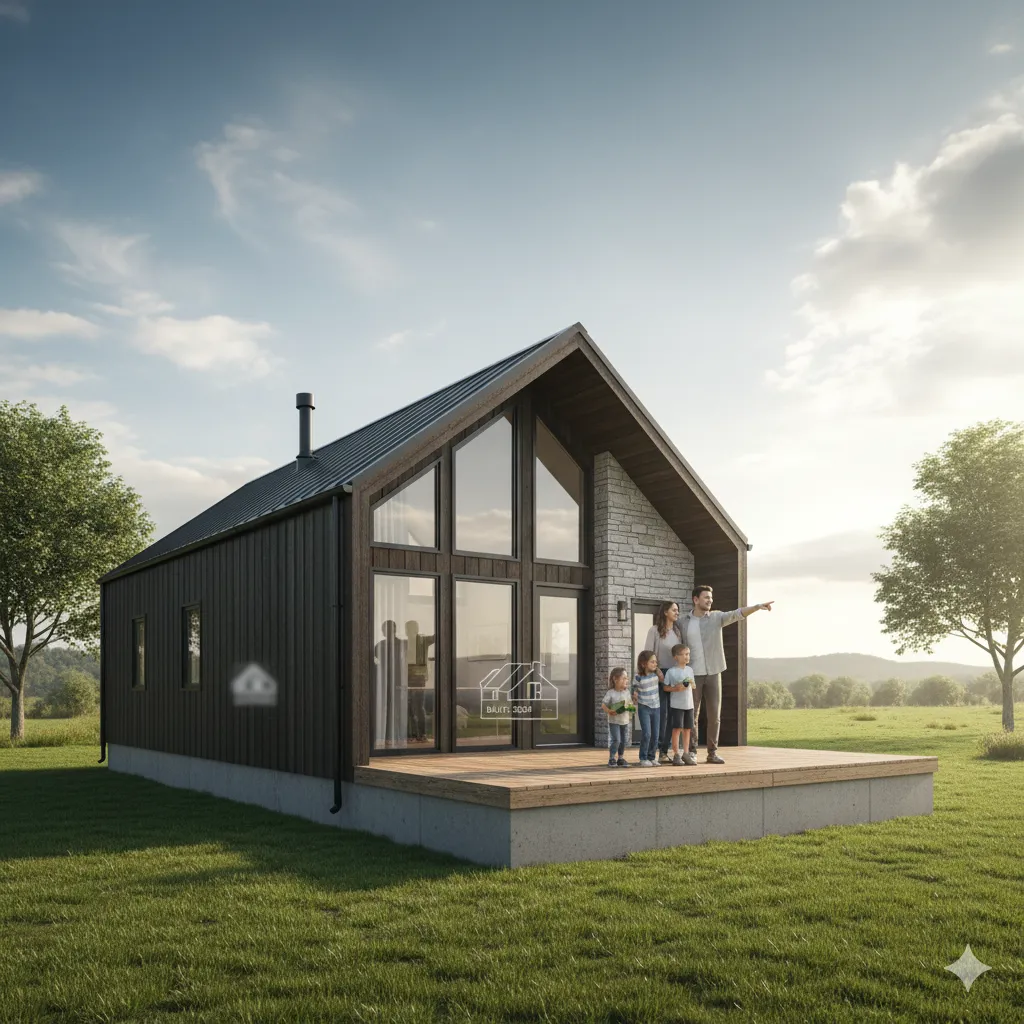
How Long Do Modular Homes Last? 100+ Years: The Ultimate Lifespan Guide
There’s a persistent myth that modular homes are temporary structures, meant to last only a decade or two. This misconception often stems from confusing modern modular homes with older manufactured homes (often called mobile homes). The truth, however, is far more reassuring for potential homeowners: A well-built and properly maintained modular home can last just as long as, and often longer than, a traditional site-built home.
So, what is the actual life expectancy? When built to current standards and placed on a permanent foundation, the expected lifespan is reliably 50 to 100 years or more. The unique construction process often makes these houses structurally stronger than their site-built counterparts. This deep dive answers the essential question: how long do modular homes last?
Myth vs. Reality: Built to the Same Code
The biggest hurdle for the modular industry is overcoming the outdated association with “trailer homes.” It is essential to understand the legal and structural distinctions that define the true modular home lifespan.
The Critical Difference in Codes
The core difference lies in the regulatory standards applied during construction:
- Modular Homes (Built to IBC/IRC Codes): These homes adhere to the same stringent local, state, and regional building codes (IRC/IBC) as traditional stick-built homes. They must meet the same requirements for structural load and energy efficiency. Once inspected, a modular home is legally and structurally indistinguishable from a site-built home and retains value similarly.
- Manufactured Homes (Built to HUD Code): These are built to a single federal standard (HUD code) that generally permits lighter materials and does not require a permanent, load-bearing foundation.
Because a modular home adheres to the highest level of residential building code, its structural integrity is fundamentally designed for permanence and a century-long lifespan.
The Structural Advantage: Why Factory-Built is Stronger
Many experts argue that the controlled, factory-based process results in a superior product, particularly in terms of structural resilience. This “over-engineering” is a direct result of logistics.
Over-Engineered for Transportation
The most crucial phase for a modular structure is the journey from the factory floor to the permanent home foundation. To survive the stresses of highway travel and being lifted by a crane, the modules are engineered to be extraordinarily robust.
- Reinforced Connections: Modular modules feature thicker floor decking, stronger shear walls, and often use extra adhesives and bolts. When these modules are ultimately bolted together on-site, the resulting structure is a single, incredibly strong unit.
- Protection from the Elements: Since the entire home is built indoors, materials like lumber are never exposed to rain or humidity. This minimizes the risk of warping, swelling, and the development of mold and mildew within the walls, ensuring the home starts its life with higher quality, dimensionally stable materials.
Longevity Pillars: Foundation, Climate, and Maintenance
To fully answer how long do modular homes last, we must examine the installation and upkeep.
Permanent Foundations are Non-Negotiable
A key characteristic differentiating a permanent modular home from a mobile structure is its foundation type. They are built to be affixed permanently to either a full basement, concrete slab, or crawlspace. A properly engineered and installed home foundation is what allows a modular structure to legally be classified as real property, securing its resale value and matching the lifespan of a traditional home.
Building for the Local Climate
Modern modular homes are customized based on the region, featuring specific designs for cold climates (superior insulation systems and thicker walls) or high-wind zones (reinforced shear walls). This climate-specific engineering, often exceeding minimum local codes due to the factory’s control, adds decades to the home’s life.
The Homeowner’s Maintenance Commitment
Regardless of the initial construction quality, maintenance is the single most significant determinant. For a modular home to reach its 100-year potential, owners must commit to regular upkeep:
- Roof & Gutters: Annual inspection is essential to prevent water damage.
- Foundation: Check for cracks and ensure proper drainage.
- Mechanical Systems: Regular servicing of the HVAC unit and prompt plumbing repairs are necessary.
Ignoring minor repairs allows small problems to escalate into major structural threats that can dramatically shorten the life.
Final Verdict: Built to Last Generations
The question “how long do modular homes last?” has been definitively answered by modern engineering and decades of real-world performance. They are not disposable; they are meticulously constructed, code-compliant homes designed for permanence.
By choosing a reputable manufacturer, ensuring a proper foundation installation, and committing to the same proactive home maintenance schedule required for any house, a modular home can confidently extend to 100 years or more, providing a durable, safe, and valuable investment for generations to come.


