

















Why Prefabricated Emergency Housing?
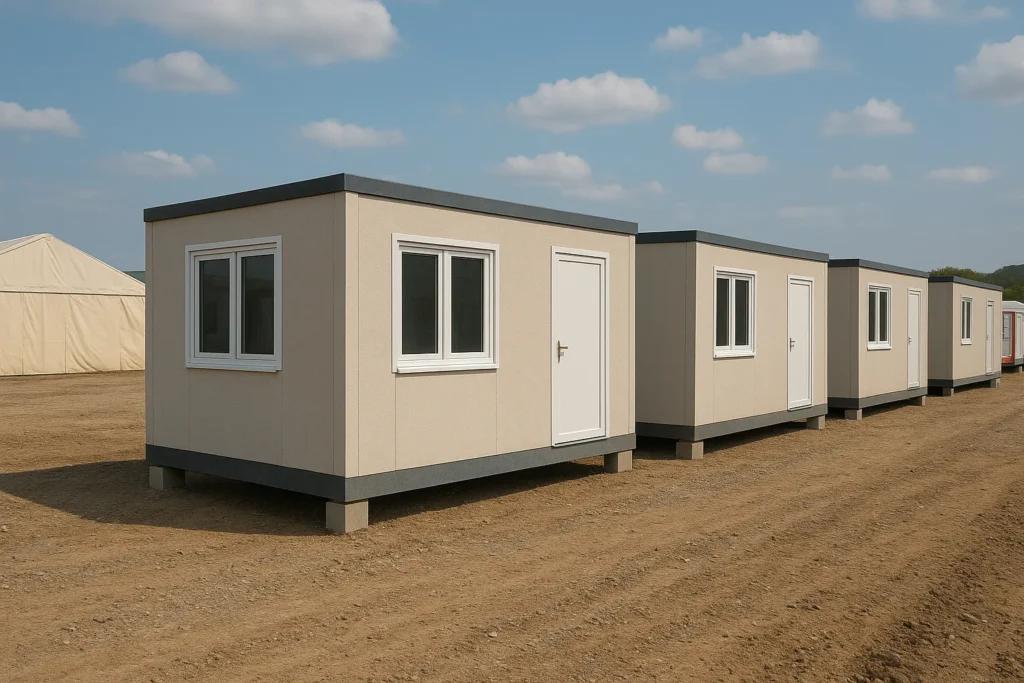
The biggest advantage of prefabricated housing is speed and flexibility. When earthquakes, floods, or hurricanes strike, every minute matters. Prefabricated shelters allow governments and humanitarian organizations to respond rapidly. Beyond quick installation, they also provide:
-
Durability: Steel frames and insulated panels ensure long-lasting use in harsh conditions.
-
Cost Efficiency: Controlled factory production minimizes waste and reduces expenses.
-
Scalability: From single-family shelters to large-scale camps, modules can be adapted to any project size.
-
Versatility: Units can serve as housing, medical centers, schools, or operational headquarters.
-
Sustainability: Reusable structures minimize environmental impact compared to single-use tents.
Applications in Crisis Response
1. Disaster Relief
Earthquakes, floods, and storms often leave thousands homeless. Prefabricated shelters can be deployed quickly, offering families safe and weather-resistant living spaces.
2. Refugee and IDP Camps
Organized modular housing brings dignity and stability to displaced populations. With integrated sanitation, kitchens, and communal areas, prefabricated units help restore a sense of community.
3. Medical and Humanitarian Facilities
During health emergencies, the ability to establish prefabricated clinics, quarantine centers, or mobile hospitals within weeks can save lives. These structures are designed for functionality, hygiene, and rapid deployment.
4. Aid and Military Operations
Humanitarian teams and military staff often require secure, mobile bases. Prefabricated units provide durable housing and workspaces for volunteers and personnel in the field.
Long-Term Benefits
While tents may provide quick shelter, they are not sustainable in the long run. Prefabricated emergency housing can be reused, relocated, or expanded based on changing needs. Many units can be upgraded into semi-permanent settlements, reducing the need for repeated investments in temporary structures. This long-term value makes prefabricated systems a strategic solution for governments, NGOs, and international aid agencies.
Conclusion
In a world facing increasing climate disasters, humanitarian crises, and migration challenges, the demand for emergency housing prefabricated solutions continues to grow. With their rapid deployment, cost-effectiveness, and versatility, prefabricated structures stand out as the future of crisis response. They provide not only immediate relief but also sustainable and adaptable living spaces that ensure safety, dignity, and resilience for vulnerable populations.


