




















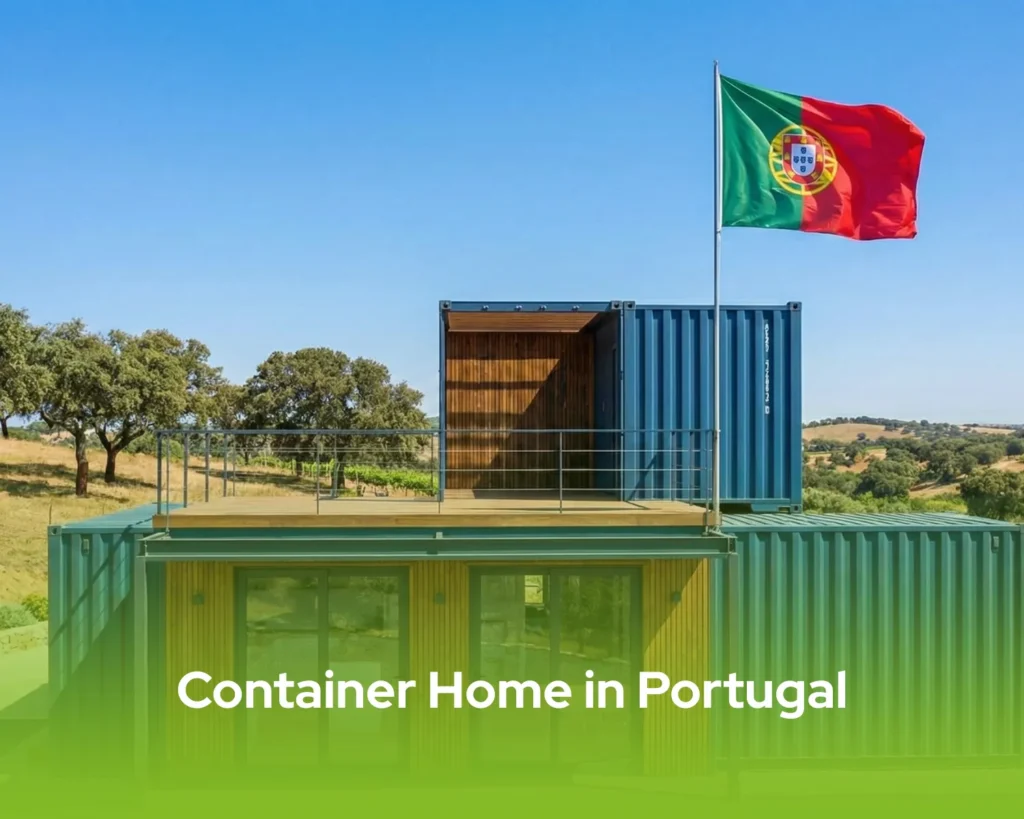
Portugal has firmly established itself as one of the most desirable destinations in Europe for expats, retirees, and digital nomads. With its stunning coastline, affordable cost of living, and agreeable climate, the demand for housing is at an all-time high. However, traditional construction prices are rising, and timelines are stretching longer. This has paved the way for an innovative, stylish, and efficient alternative: the container home in Portugal.
At Pramo Prefabricated, we are witnessing a surge in interest for modular and steel-based construction solutions in the Iberian Peninsula. Whether you are looking for a vacation retreat in the Algarve or an eco-friendly primary residence near Lisbon, understanding the nuances of shipping container architecture is vital. In this extensive guide, we will explore everything you need to know about building, buying, and living in a container house in this beautiful country.

Why the Trend is Exploding
The concept of repurposing shipping containers into habitable spaces is not new, but it has found a perfect match in the Portuguese landscape. Why is the idea of a container home in Portugal becoming so popular?
-
Sustainability: Portugal is a forward-thinking nation regarding renewable energy and eco-friendly practices. Upcycling steel boxes aligns with this ethos.
-
Speed: Traditional masonry (brick and concrete) construction in Portugal can take 18 to 24 months due to labor shortages. Container homes can be prefabricated off-site and assembled in a fraction of that time.
-
Modern Aesthetics: The industrial-chic look blends surprisingly well with both the rustic countryside and urban centers.
Navigating Portuguese Bureaucracy and Permits
One of the biggest myths surrounding alternative housing is that it doesn’t require permission. Let’s be clear: building a requires a license, just like a brick house.
The Myth of “Removable Structures”
Many people believe that if a house is on wheels or sits on temporary blocks, it is considered a “mobile structure” and is exempt from licensing. This is generally false. If the structure is connected to public utilities (water, sewage, electricity) and is intended for permanent habitation, the Câmara Municipal (City Hall) classifies it as a building.
To successfully install a container home in Portugal, you must follow the standard architectural project phases:
-
Submission: Architectural plans must be submitted to the local council.
-
Approval: Once the design is approved, engineering specialties (thermal, acoustic, structural) are submitted.
-
Licença de Habitação: Finally, you receive a habitation license.
Navigating the Plano Director Municipal (PDM) is crucial. Some land is classified as Reserva Agrícola (Agricultural Reserve) or Reserva Ecológica (Ecological Reserve), where building is strictly limited. Always consult with a local architect or use our consultancy services at Pramo before purchasing land for your container home in Portugal.
Cost Analysis: Is it Cheaper?
The primary driver for many is the budget. Generally, a container home in Portugal is more affordable than traditional construction, but “cheaper” depends on your finishings.
-
Base Structure: The cost of the container itself is low, but the reinforcement steel work adds to it.
-
Insulation: This is where you cannot cut corners.
-
Finishes: High-end kitchens, bathrooms, and smart-home tech will drive the price up.
On average, you might expect to pay between €1,000 to €1,500 per square meter for a turnkey project, whereas traditional construction in premium areas can easily exceed €2,000 per square meter. This cost efficiency makes the container home in Portugal an attractive investment for rental properties or starter homes.
Climate Control: Insulation is King
Portugal is famous for its sun, but it also has damp winters, and the summer heat can be intense. A steel box is naturally a conductor of heat and cold. Therefore, the success of your container home in Portugal depends entirely on insulation.
Thermal Solutions
We recommend high-grade options such as:
-
Spray Foam Insulation: Expands to fill every gap, preventing condensation (a common enemy of steel).
-
Rock Wool: Excellent for both thermal and acoustic insulation.
-
Ventilated Facades: Adding an external layer (wood, cork, or composite) that shades the steel skin.
If you skip proper insulation, your home will be an oven in August and a freezer in January. Professional manufacturing ensures that your container home in Portugal maintains a stable indoor temperature year-round, meeting the strict energy certification standards required by EU law.
Design Possibilities: From Rustic to Ultra-Modern
When you visualize a container, you might see a simple box. However, modern engineering allows us to stack, cut, and cantilever these units to create architectural masterpieces.
The Hybrid Approach
Many clients opt for a mix of materials. Imagine a light steel house extension attached to a container base. This hybrid approach allows for larger open-plan living rooms (using light steel trusses) while utilizing the containers for bedrooms and bathrooms. This flexibility is a key selling point for the container home in Portugal market.
Facade Options
You don’t have to keep the “corrugated metal” look if you don’t want to.
-
Cork Cladding: Very popular in Portugal (the world’s largest cork producer). It’s sustainable, insulates well, and looks beautiful.
-
Wood Slats: Gives a warm, Scandinavian feel.
-
Stucco/Render: Can make the container look exactly like a traditional Portuguese villa.
Durability and Maintenance in a Coastal Environment
Portugal has a vast Atlantic coastline. While ocean views are desirable, salt air is corrosive to steel. If you are planning a container home in Portugal near the beach (regions like Nazare, Cascais, or the Algarve), special attention must be paid to rust prevention.
We utilize marine-grade paints and anti-corrosive primers similar to those used on ships and oil rigs. Regular maintenance, such as washing the exterior to remove salt buildup and inspecting for scratches, will ensure your home lasts for decades. With proper care, a container home in Portugal can have a lifespan comparable to traditional buildings.
The Process: Step-by-Step
If you are ready to embark on this journey, here is a roadmap:
-
Land Acquisition: Ensure the land has “viability to build.” Do not buy “rustic land” assuming you can place a container there without checking with the Camara.
-
Design & Engineering: Work with Pramo Prefabricated to design a layout that fits your lifestyle.
-
Licensing: We assist with the technical drawings needed for the Portuguese authorities.
-
Off-Site Manufacturing: While you wait for permits, we build your house in our factory. This parallel processing saves months.
-
Foundation: A container home in Portugal typically requires less invasive foundations, often using concrete piers or screw piles, which is better for the soil.
-
Transportation & Assembly: The units are trucked to your site and craned into place in just a few days.
-
Utility Connections: Water, electricity, and sewage are connected.
Investment Potential: Tourism and Rentals
Portugal has a booming tourism industry. The “Glamping” (Glamorous Camping) sector is particularly lucrative. Tourists are constantly looking for unique, eco-friendly stays. A stylishly designed container home in Portugal performs exceptionally well on platforms like Airbnb and Booking.com.
Because the construction cost is lower and the speed is faster, your Return on Investment (ROI) begins much sooner than if you were building a traditional masonry guest house.
Comparison: Container vs. Prefab vs. Light Steel
It is important to choose the right system for your needs.
-
Prefabricated Homes: A broad term. Usually panelized systems. Good for standard designs.
-
Light Steel Houses: Offers the most design flexibility and is excellent for large spans and multi-story luxury villas.
-
Container Houses: Best for modularity, industrial aesthetics, and robust structural integrity.
Depending on your specific plot of land in Portugal—whether it’s a narrow urban lot in Porto or a sprawling vineyard in Alentejo—the choice between a light steel structure and a container home in Portugal might come down to access. Containers need wide roads for delivery trucks; light steel can be assembled on-site from smaller components.
Why Choose Pramo for Your Portuguese Project?
At Pramo Prefabricated, we understand international standards. We don’t just sell you a box; we provide a home. Our expertise in container home in Portugal projects ensures that you navigate the complex regulations smoothly.
We focus on:
-
High-End Insulation: Tailored for the Southern European climate.
-
Customization: We don’t believe in one-size-fits-all.
-
Logistics: We handle the complex task of transporting large modules across borders and to your site.
Conclusion
Building a home abroad is a significant life event. It requires trust, planning, and the right partners. A container home in Portugal offers a unique blend of lifestyle, sustainability, and economic sense that is hard to beat in today’s market. Whether you dream of a surf shack on the Silver Coast or a modern retreat in the Douro Valley, modular construction is the key to unlocking that dream quickly and efficiently.
Are you ready to discuss your project? Contact Pramo Prefabricated today, and let’s start designing your future container home in Portugal.


