




















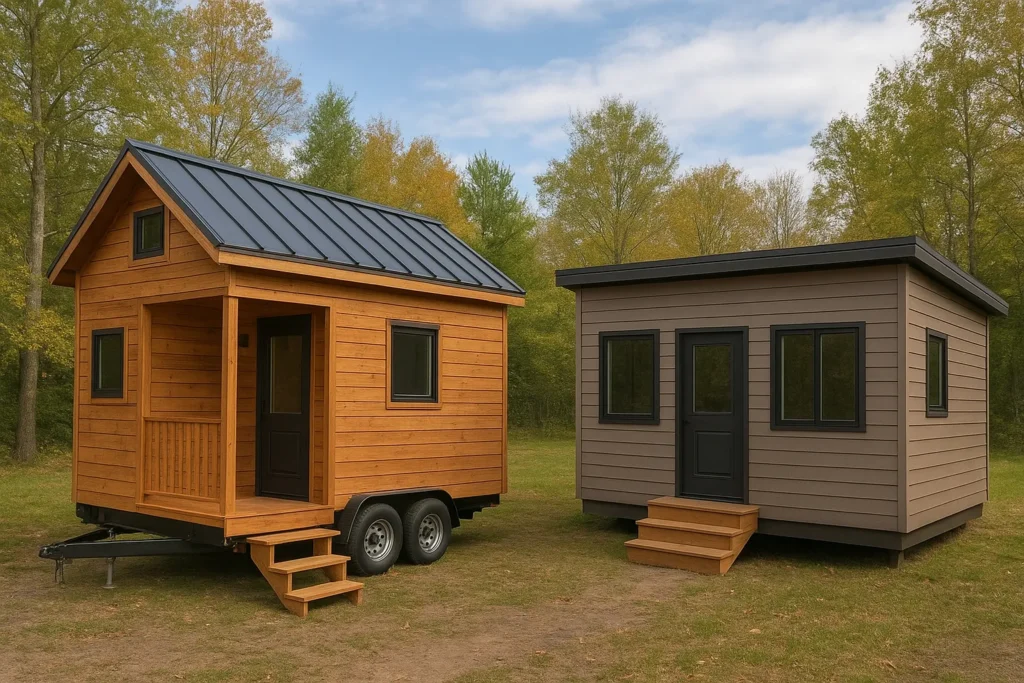
What Does Off-Grid Living Mean?
Living off-grid means disconnecting from public utilities such as electricity, water, and sewage. Instead, you rely on alternative systems like solar power, rainwater harvesting, composting toilets, and independent heating solutions. This lifestyle is not only about survival but also about achieving long-term energy independence and environmental sustainability.
Why Prefab Homes Are Suitable for Off-Grid Living
Prefabricated homes are designed and manufactured in controlled factory environments, which means they can be customized for specific needs, including energy efficiency and renewable energy integration. With modern insulation, pre-installed utility systems, and flexible layouts, they are an ideal option for those looking to go off-grid.
1. Energy Efficiency
Most prefabricated homes use advanced insulation materials that minimize heating and cooling needs. This makes them highly efficient when paired with solar panels or wind turbines, ensuring year-round comfort with minimal energy consumption.
2. Water Solutions
Rainwater collection systems can be easily integrated into a prefabricated design. Coupled with filtration and storage tanks, homeowners can create a reliable water supply even in remote locations.
3. Waste Management
Composting toilets and eco-friendly septic systems are increasingly compatible with prefabricated models. These features allow residents to live comfortably without relying on municipal sewage networks.
4. Renewable Energy Integration
Prefabricated homes are often designed to accommodate solar panels, battery storage, and smart energy management systems. Some advanced models can even operate completely off renewable energy sources, ensuring true independence from the grid.
Cost and Investment Considerations
While installing off-grid systems such as solar panels, water tanks, and composting systems requires an initial investment, prefab homes make this transition more affordable compared to traditional construction. According to the Modular Building Institute (2024), prefab homes can reduce total construction costs by up to 30% and shorten build times significantly. These savings allow homeowners to invest more easily in renewable energy and off-grid technologies.
Challenges to Consider
Going off-grid in a prefabricated home is realistic, but it does come with challenges:
-
Legal restrictions on off-grid living in certain regions
-
Need for ongoing maintenance of renewable systems
-
Higher upfront costs for energy and water independence setups
Despite these obstacles, the long-term benefits — from lower utility bills to environmental sustainability — often outweigh the drawbacks.
Conclusion
So, can you live off-grid in a prefab homes? The answer is a clear yes. With the right design choices, renewable energy solutions, and water management systems, prefabricated homes can support a fully independent lifestyle. Whether you dream of reducing your carbon footprint, achieving self-reliance, or simply living closer to nature, prefab homes provide the foundation for a sustainable future off the grid.


