



















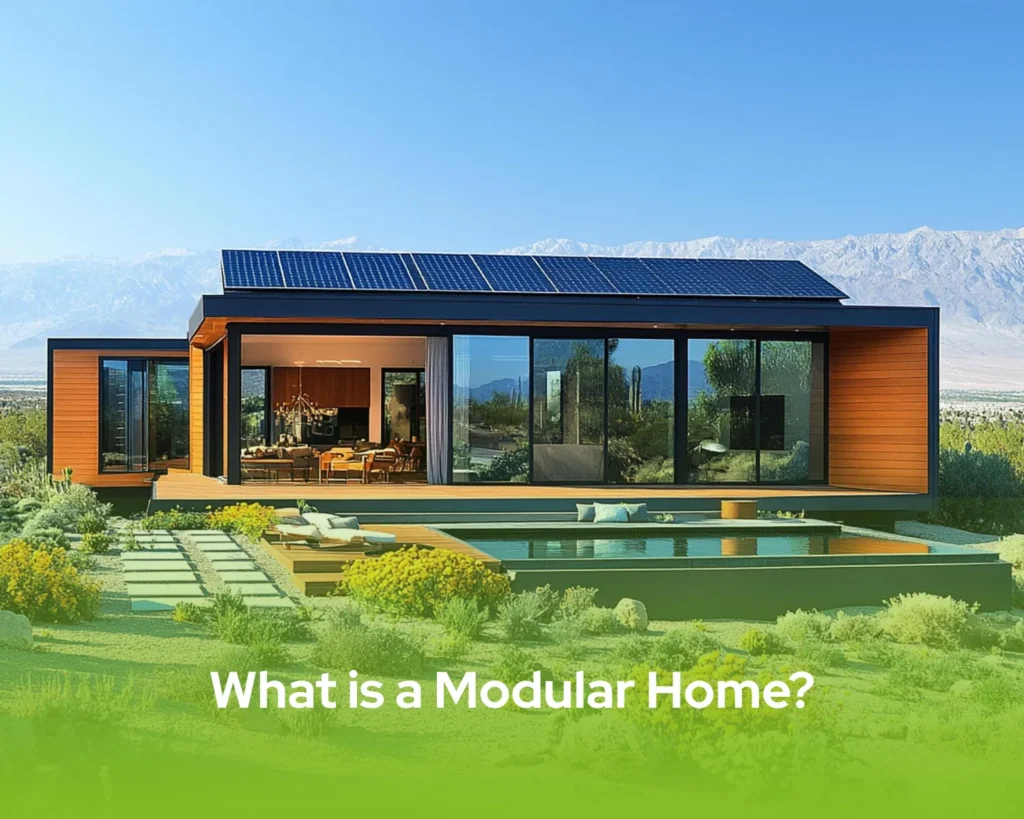
In the rapidly evolving world of construction and real estate, traditional building methods are being challenged by more efficient, sustainable, and cost-effective alternatives. If you have been researching modern housing solutions, you have likely encountered terms like prefab, system-built, or factory-built housing. However, one specific question dominates the conversation for prospective homeowners: what is a modular home?
At Pramo Prefabricated, we believe that understanding the nuances of modular construction is the first step toward building your dream house. In this comprehensive guide, we will explore the definition, the construction process, benefits, and how modular homes compare to other structures like light steel or container homes.
Understanding the Basics: Defining the Concept
To put it simply, what is a modular home? A modular home is a type of house that is built indoors in a factory setting. The finished products are covered and transported to their new locations, where they are assembled by a builder. A modular home is not a mobile home; it is simply a home that is built off-site, as opposed to on-site. These homes are often called factory-built, system-built, or prefab homes.
When asking what is a modular home, it is crucial to understand that “modular” refers to the construction method, not a specific design style. These homes are built in sections—or “modules”—that conform to all state, local, and regional building codes where the home will be located.
The Connection to Prefabricated Homes
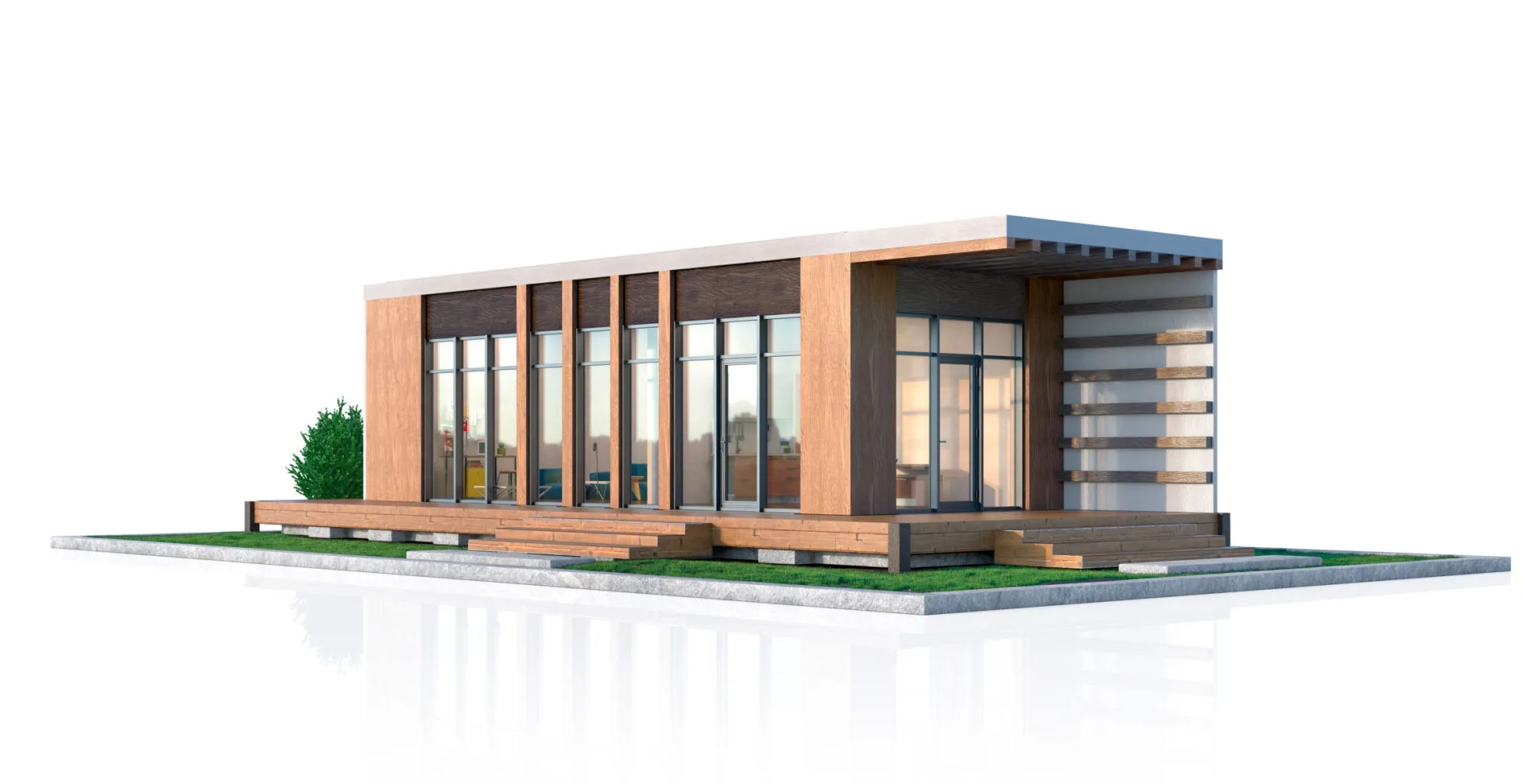
Modular homes fall under the broader umbrella of prefabricated construction. If you are in the market for a prefabricated home, you are essentially looking at a category that includes various building styles. However, modular homes are distinct because they are transported on flatbed trucks and set onto a permanent foundation by a crane. Once assembled, they are virtually indistinguishable from site-built homes.
The Construction Process: From Factory to Foundation
To fully grasp what is a modular home, one must look at the rigorous engineering process behind it. Unlike traditional construction, which is subject to weather delays and site inconsistencies, modular homes are built in climate-controlled environments.
-
Design Phase: The process begins with advanced CAD (Computer-Aided Design) software.
-
Factory Fabrication: Skilled craftsmen build the walls, floors, ceilings, and roofs simultaneously. This parallel construction significantly speeds up the timeline.
-
Transport: The modules are transported to the building site.
-
Assembly: This is the “set” day. A crane lifts the modules onto the pre-poured foundation.
-
Finishing: Local contractors connect utilities and complete the interior finish work.
This streamlined process is often the answer to what is a modular home in terms of efficiency—saving months of construction time compared to traditional builds.
Modular vs. Other Modern Housing Types
There is often confusion distinguishing between different types of off-site construction. Let’s clarify where modular stands.
Modular Homes vs. Light Steel Houses
While modular homes are defined by their volumetric assembly (3D boxes), light steel houses are often defined by their framing material. Light steel structures offer incredible durability and earthquake resistance. Interestingly, many modern modular homes utilize light steel framing within their modules to ensure longevity. When you ask what is a modular home made of, the answer can often be high-grade steel, similar to the technology used in our light steel housing projects at Pramo.
Modular Homes vs. Container Houses
Another popular comparison is with container architecture. Container houses are created using repurposed or new shipping containers. While a container home is technically modular (as it uses a module), a standard modular home offers more flexibility in dimensions. Container homes have fixed widths and heights, whereas modular homes can be customized to almost any architectural design. However, both share the core philosophy of off-site manufacturing efficiency.
The Key Benefits of Choosing Modular
Why are homeowners and investors flocking to this method? The answer lies in the inherent advantages that define what is a modular home.
1. Speed of Construction
Because the site preparation (foundation work) and the building construction happen simultaneously, modular homes can be completed 30% to 50% faster than traditional stick-built homes.
2. Enhanced Quality Control
Factory settings allow for rigorous quality control. Materials are protected from rain, snow, and sun, eliminating the risk of mold or warped wood. When considering what is a modular home quality standard, think of it as an assembly line where every weld and nail is inspected.
3. Energy Efficiency and Sustainability
Modular homes are often touted as green buildings. The precise cutting of materials in the factory reduces waste. Furthermore, the modules must be built robustly to withstand transport, which often results in tighter building envelopes and better insulation. This energy efficiency is a core component of what is a modular home represents today.
4. Cost-Effectiveness
While not always “cheap” in the sense of low quality, modular homes offer better value. Bulk purchasing of materials by the factory and reduced labor time on-site translate to cost savings for the buyer.
Design Flexibility: Breaking the Myths
A common misconception is that modular homes all look the same—boxy and unattractive. This couldn’t be further from the truth. Modern computer-aided design allows for limitless possibilities. You can have high ceilings, open floor plans, modern kitchens, and elaborate exterior finishes.
Customization is a huge part of what is a modular home. At Pramo Prefabricated, we work with designs that range from sleek, modern minimalism to traditional family home aesthetics. Whether you want a sprawling single-story ranch or a multi-story colonial, the modular method can accommodate it.
The Financial Perspective: Investment and Value
Many potential buyers worry about financing and resale value. So, what is a modular home from a bank’s perspective?
Banks and lending institutions generally treat modular homes exactly the same as site-built homes. Because they are permanent structures built to local codes, they appreciate in value similarly to traditional real estate. They are not “mobile homes” (which depreciate); they are real property. This distinction is vital for long-term investment strategies.
Why Choose Pramo Prefabricated?
At Pramo Prefabricated, we combine advanced technology with skilled craftsmanship. We understand that asking what is a modular home is just the beginning of your journey. We offer:
-
Global Standards: Our structures meet international building codes.
-
Innovative Materials: We utilize the best in insulation and structural integrity.
-
End-to-End Support: From the initial design sketch to the final assembly on your land.
Whether you are interested in the robustness of light steel houses, the versatility of container houses, or the comprehensive solution of a prefabricated home, our modular solutions bridge the gap between dream and reality.
Step-by-Step Guide to Ordering Your Modular Home
If you have decided that this is the right path for you, here is how to proceed:
-
Land Acquisition: You must own land or be in the process of buying it.
-
Feasibility Study: Check local zoning laws. Can a crane access your site?
-
Design Selection: Choose a standard model or customize your own.
-
Permits: We assist in providing the technical drawings needed for local approval.
-
Site Prep: While we build in the factory, your local contractor pours the foundation.
-
Delivery and Set: The exciting day when your house arrives on trucks.
-
Move-In: After final utility hookups, your home is ready.
The Smart Housing Solution
In summary, what is a modular home? It is a high-quality, custom-designed, energy-efficient residence built in a controlled environment and assembled on a permanent foundation. It represents the intersection of technology and traditional comfort.
As the demand for housing grows and the need for sustainable practices becomes more urgent, modular construction is not just an alternative; it is becoming the standard. It solves the problems of labor shortages, weather delays, and material waste.
If you are ready to explore the possibilities of a prefabricated home, or if you are comparing them against light steel houses and container houses, Pramo Prefabricated is here to guide you. Contact us today to learn more about our catalog and how we can bring your vision to life.
Frequently Asked Questions (FAQ)
Q: Is a modular home cheaper than a traditional home? A: Generally, yes. The efficiency of the factory process can save significantly on labor and material waste, though final costs depend on your customization choices.
Q: How long do modular homes last? A: Indefinitely. Because they are built to withstand the stress of highway transport, they often contain more structural material than site-built homes. This durability answers what is a modular home in terms of longevity.
Q: Can I customize the floor plan? A: Absolutely. While we have standard models, modular construction is highly flexible.
Q: What is the difference between modular and manufactured homes? A: Manufactured homes (formerly mobile homes) are built to a federal HUD code and often not on a permanent foundation. Modular homes are built to local building codes (IBC) and are permanent.
Q: Does Pramo ship internationally? A: Yes, we specialize in exporting high-quality prefabricated structures globally.


