




















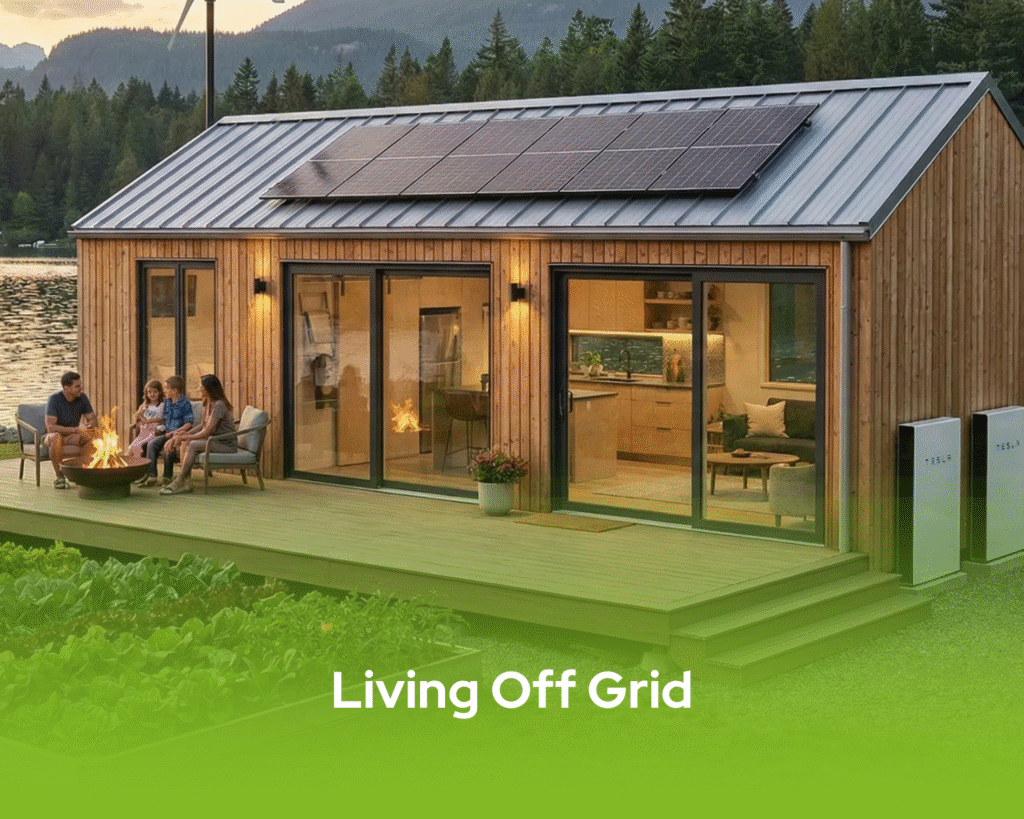
magine waking up to the sound of rustling leaves rather than traffic, drinking water purified from your own land, and generating your own clean energy. The dream of escaping the chaotic urban grind is more attainable now than ever before. However, moving away from the grid doesn’t mean moving back to the Stone Age. With the right infrastructure, you can enjoy a life of absolute freedom without compromising on modern comfort.
Before we dive deep into the mechanics of this lifestyle, it is crucial to choose the right structure for your sanctuary. The foundation of a successful off-grid life starts with a durable, energy-efficient home.
-
Explore our durable Light Steel Houses designed for harsh climates.
-
Discover our versatile Prefabricated Houses that offer rapid installation in remote locations.
Transitioning to living off grid is a journey that combines technology, nature, and a desire for independence. Whether you are looking for a weekend getaway or a permanent residence, this guide will walk you through everything you need to know to make your dream a reality with Pramo Prefabricated.
What Does Living Off Grid Really Mean?
In its simplest definition, living off grid refers to a lifestyle where a household is not connected to public utilities. This typically includes electricity, water supply, and sewage systems. While it was once considered a fringe lifestyle for survivalists, it has now evolved into a sophisticated movement embraced by eco-conscious families, retirees, and remote workers.
Why is this shift happening?
-
Financial Freedom: eliminating monthly utility bills.
-
Environmental Impact: Reducing carbon footprints significantly.
-
Resilience: Being unaffected by city-wide power outages or water shortages.
-
Connection to Nature: Living in harmony with the environment.
However, to succeed in living off grid, you need more than just a plot of land; you need a systematic approach to housing, energy, and waste management.
1. The Foundation: Why Structure Matters
The biggest mistake beginners make is focusing solely on solar panels while ignoring the house itself. An energy-inefficient house will drain your batteries faster than you can charge them. This is where the structural integrity of your home becomes the most critical factor in your success.
The Advantage of Light Steel Houses
When you are miles away from the nearest hardware store or fire station, you need reliability. Light steel houses offer superior insulation values compared to traditional brick and mortar. High-quality insulation means your home stays warm in winter and cool in summer with minimal energy input—a non-negotiable requirement for living off grid.
Furthermore, light steel is resistant to pests, rot, and fire, making it the ideal choice for remote locations where maintenance services are not readily available.
The Speed of Prefabricated Houses
If you are building in a remote area, bringing in heavy machinery and construction crews for months is often impossible or incredibly expensive. Prefabricated houses solve this logistical nightmare. Since the components are manufactured in a controlled factory environment and assembled on-site, the construction time is drastically reduced. You can have a weather-tight, secure shell ready in a fraction of the time, allowing you to focus on setting up your critical systems like solar arrays and water collection.
2. Generating Your Own Power
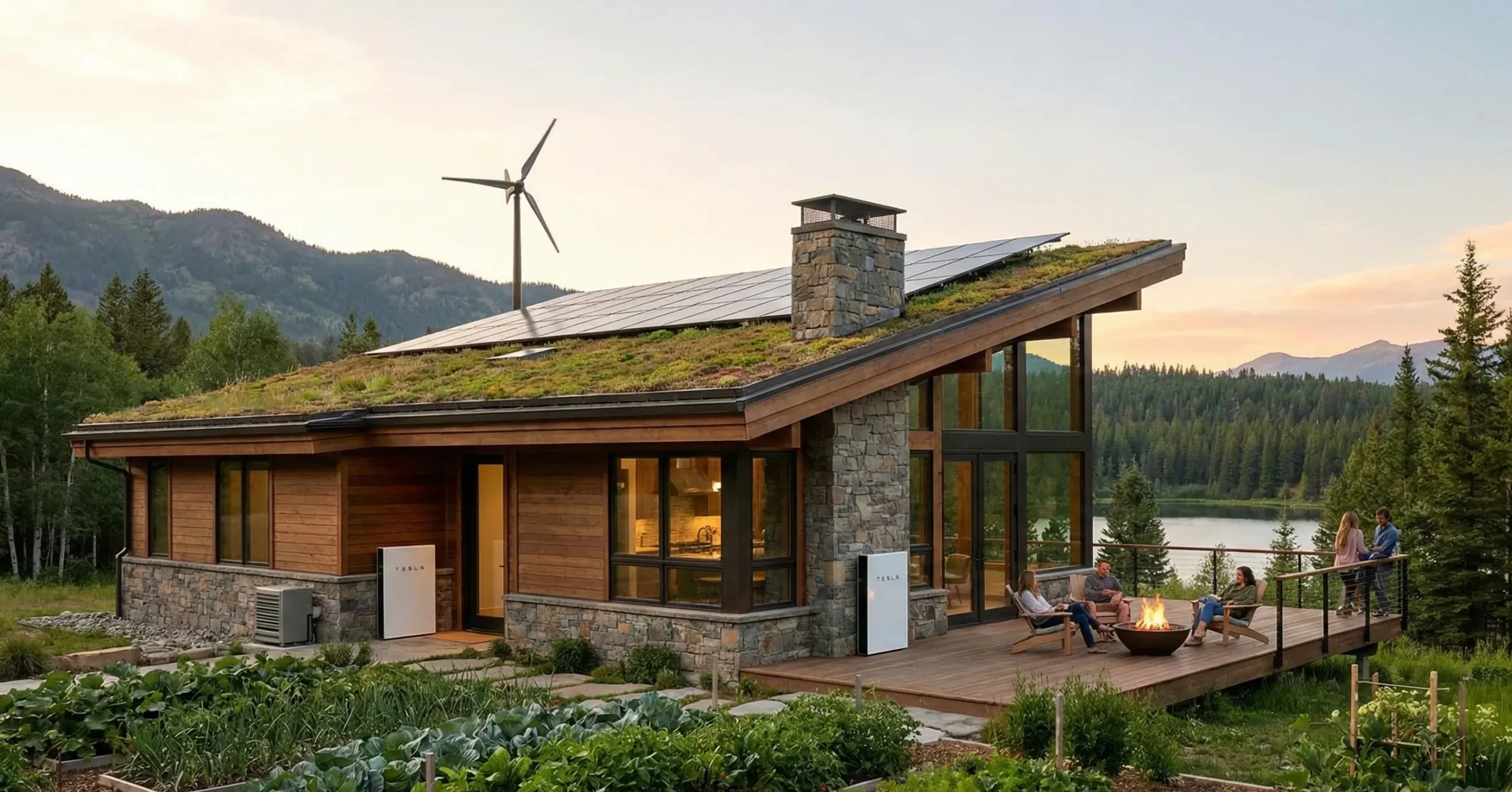
Energy independence is usually the first thing people think of when they consider this lifestyle. To sustain a modern lifestyle while living off grid, you need a robust power system.
Solar Power Systems
Solar is the most common solution. A properly sized system involves:
-
Photovoltaic (PV) Panels: These capture sunlight.
-
Charge Controller: Regulates the voltage and current.
-
Battery Bank: Stores energy for use at night or during cloudy days (Lithium-ion is the current standard).
-
Inverter: Converts DC power from the batteries into AC power for your appliances.
Because Pramo Prefabricated homes are designed with energy efficiency in mind, you will require fewer solar panels to heat or cool your home compared to a standard structure. This saves you significant money on your initial solar investment.
Wind and Micro-Hydro
If your land is in a windy area or has a flowing stream, you can supplement your solar power with wind turbines or micro-hydro systems. Diversity in power generation ensures that you have electricity even during long, dark winter weeks.
3. Water: The Essence of Life
You can live without electricity for a few days, but you cannot live without water. Securing a clean, reliable water source is arguably more important than power when living off grid.
Rainwater Harvesting
The large roof surface area of our prefabricated models acts as an excellent catchment area for rainwater. By installing gutters and a cistern, you can collect thousands of liters of water.
-
Filtration: Rainwater is generally clean but requires filtration (sediment filters and UV light) to be potable.
-
Storage: Underground tanks keep water cool and prevent algae growth.
Well Water
Drilling a well is a significant upfront cost but offers a consistent supply. Solar-powered well pumps can fill your storage tanks automatically when the sun is shining.
4. Sustainable Waste Management
Modern living off grid does not mean using an outhouse. You can have a bathroom that looks and functions just like one in the city, but with a different backend system.
-
Septic Systems: The traditional route. It requires a tank and a leach field. It is low maintenance but requires professional installation.
-
Composting Toilets: These have advanced significantly. Modern units are odorless and turn waste into safe compost material, using zero water.
-
Greywater Systems: Water from your shower and sink (greywater) can be filtered and used to water your garden, creating a closed-loop system that conserves resources.
5. Heating and Cooling in Remote Locations
Temperature control is the largest energy consumer in any home. This brings us back to the importance of insulation. A poorly insulated cabin will make living off grid a miserable, freezing experience.
Our Light Steel Houses are engineered with thermal breaks and high-density insulation materials. This “passive” approach keeps the interior temperature stable.
-
-
Wood Stoves: A classic, reliable backup heat source that also helps reduce humidity.
-
Heat Pumps: Highly efficient electric heating and cooling, perfectly paired with a solar setup.
-
Passive Solar Design: Orienting your prefab house to maximize sunlight in winter and shade in summer reduces the need for active heating.
-
6. Connectivity: Remote Work from the Wilderness
Gone are the days when moving to the countryside meant cutting ties with the world. For many, living off grid is only possible because of high-speed satellite internet solutions like Starlink.
You can now run a global business, attend Zoom meetings, and stream 4K movies from the middle of a forest. A prefabricated home provides the perfect office space—quiet, inspiring, and distraction-free. Ensuring your home has a dedicated technical room for your networking gear and battery banks is a smart design choice we can help you implement.
7. The Financial Aspect: ROI of Going Off-Grid
Is it expensive? Initially, yes. Setting up solar systems, drilling wells, and buying land requires capital. However, once established, the cost of living off grid drops dramatically.
-
No Monthly Bills: Imagine life with $0 electricity, $0 water, and $0 gas bills.
-
Low Maintenance: Steel and prefab structures require less upkeep than wood.
-
Property Value: Self-sufficient homes are increasing in value as more people seek security and independence.
By choosing a cost-effective construction method like prefabricated housing, you save money on the build, which you can then invest in higher-quality solar panels or a larger plot of land.
8. Legalities and Zoning
Before you buy land, you must research local zoning laws. Not all areas allow living off grid.
-
Minimum Square Footage: Some areas require houses to be a certain size.
-
Utility Connection: Some jurisdictions legally require you to connect to the grid if it is available.
-
Septic Permits: Soil tests are often required to approve a septic system.
Our team at Pramo Prefabricated is experienced in international standards and can provide the necessary architectural drawings and structural reports to help you navigate the permitting process smoothly.
9. Security and Safety
Living remotely offers privacy, but it also requires you to be self-reliant regarding safety.
-
Fire Safety: Steel houses are non-combustible, offering a massive safety advantage over log cabins in wildfire-prone areas.
-
Remote Monitoring: With satellite internet, you can install security cameras and monitor your property from your phone, no matter where you are.
-
Backup Systems: Always have a backup generator and spare parts for your water pump and solar inverter.
10. Designing Your Permaculture Landscape
Once your house is set, the land around it becomes your supermarket. Living off grid often goes hand-in-hand with permaculture—designing your garden to be self-sustaining.
-
Food Forests: Planting fruit trees and berry bushes that require little maintenance after established.
-
Vegetable Gardens: Raised beds for seasonal crops.
-
Greenhouses: Extending your growing season to ensure food security year-round.
Your greywater system can directly irrigate these zones, turning waste into abundance.
Your Journey Starts Here
Living off grid is more than just a trend; it is a declaration of independence and a commitment to a sustainable future. It challenges you to be more aware of your consumption, more connected to nature, and more self-reliant.
However, the ruggedness of the lifestyle should not mean a lack of comfort. Your home is your castle, and it should protect you from the elements while providing a warm, inviting space for your family. By choosing modern construction methods like Light Steel and Prefabricated houses, you eliminate the headaches of traditional building and ensure your off-grid home will stand the test of time.
Are you ready to break free from the system and design a life on your own terms? The first step to successful living off grid is selecting a home that supports your vision.
At Pramo Prefabricated, we are ready to help you build your dream. Contact us today to discuss your project and find the perfect model for your new life.


