















Myth 1: Prefabricated Homes Are Low Quality
Truth: High Standards and Durability
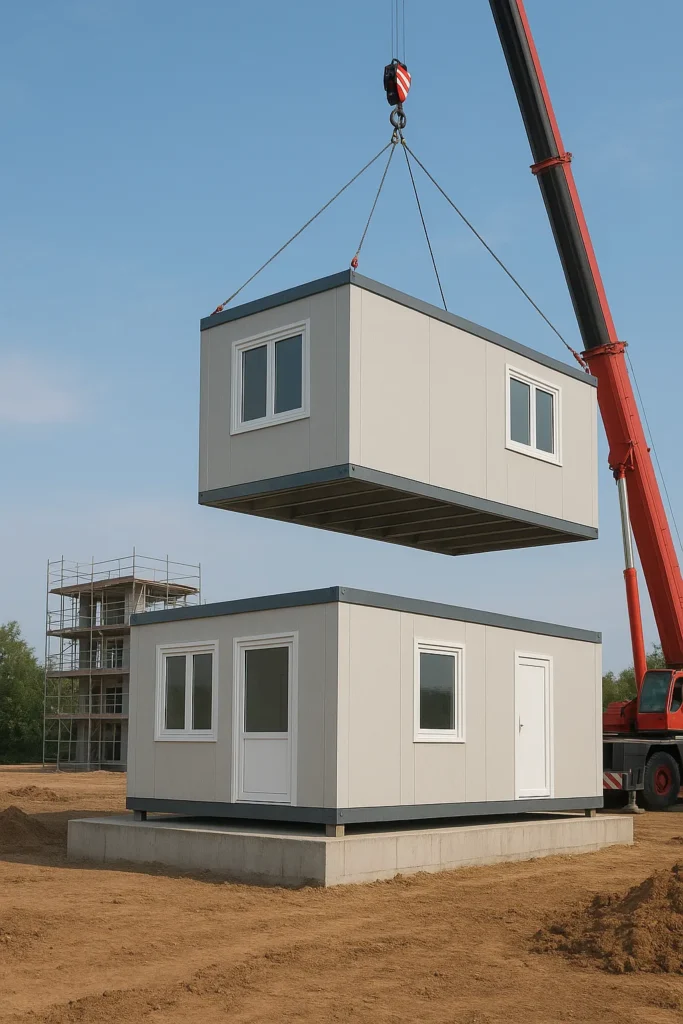
Modern prefabricated homes are built with advanced techniques in factory-controlled environments. This allows for strict quality checks, standardized materials, and stronger structures. Many prefab houses now exceed traditional building codes, making them durable and safe for decades.
Myth 2: Prefabricated Homes Lack Customization
Truth: Endless Design Options
It is often assumed that prefabricated homes all look the same. The reality is that today’s prefab houses are fully customizable. Buyers can choose layouts, exterior finishes, interior designs, and even eco-friendly technologies. From compact urban homes to luxury villas, prefabricated construction offers limitless flexibility.
Myth 3: Prefabricated Homes Are Temporary
Truth: Built to Last Generations
Unlike portable cabins or short-term shelters, modern prefabricated homes are engineered to be permanent. With proper maintenance, they can last over 50 years, thanks to steel frames, reinforced walls, and durable insulation. Their lifespan rivals that of traditional housing.
Myth 4: Prefabricated Homes Are Cheap Because They’re Inferior
Truth: Affordable Yet High-Quality
Prefab homes are cost-effective because of efficiency, not poor quality. Factories minimize waste, reduce labor costs, and eliminate weather delays. These savings are passed to the customer without lowering quality standards. Prefabricated homes often come with modern features at a fraction of the cost of conventional builds.
Myth 5: Prefabricated Homes Have Poor Resale Value
Truth: Increasing Market Demand
As sustainable housing grows in popularity, prefabricated homes are proving to be strong investments. Buyers are drawn to energy efficiency, modern design, and lower maintenance costs. As a result, the resale value of prefab houses continues to rise, making them financially rewarding.
Conclusion: Prefabricated Homes Are the Future of Housing
The truth is clear: prefabricated homes are durable, customizable, and valuable. They debunk outdated stereotypes by combining affordability with modern innovation. For homeowners, developers, and investors, prefabricated housing represents not just a smart choice but the future of sustainable living.


